

Dental Anxiety and Sedation Dentistry: A Complete Guide
If you've been avoiding the dentist because of fear or anxiety, you're not alone. For some people, nervousness begins a few days before an appointment. For others, a difficult experience in the past can make even scheduling a visit feel overwhelming. Over time, delaying care may bring additional concerns about dental health, treatment costs, or how a dental team will respond after a long absence.
Dental anxiety is not a personal failing, and you don't have to manage it by simply pushing through the discomfort. Sedation dentistry offers options that can help eligible patients feel more relaxed during treatment and make necessary dental care more manageable.
At Opal Dental Group in Macomb, Dr. Waheed and the team work with patients who experience different levels of dental anxiety. Depending on your needs, health history, and planned treatment, options may include nitrous oxide or oral conscious sedation. More advanced sedation or general anesthesia may be appropriate in certain circumstances, although these approaches require different levels of clinical oversight.
Understanding your options is a useful first step toward feeling more prepared for your next appointment.
Quick Takeaways
- Sedation can help manage dental anxiety. The appropriate option depends on your comfort needs, medical history, and planned treatment.
- Nitrous oxide offers mild relaxation. It takes effect quickly and generally wears off soon after the mask is removed.
- Oral conscious sedation provides a deeper level of relaxation. It requires advance planning, including transportation and recovery time.
- Safety starts with individualized planning. Your dental team should review your health history, medications, and other relevant factors before recommending sedation.
- You can discuss your concerns before treatment. A consultation gives you an opportunity to ask questions and understand what to expect.
- Children may have sedation options, too. The appropriate approach depends on their age, health, anxiety, and treatment needs.
What Does Dental Anxiety Look Like?

Dental anxiety affects people in different ways. You might feel uneasy before a cleaning but manage to attend your appointments. You might experience a racing heart, difficulty sleeping, or intense worry in the days leading up to treatment. Or you may have avoided dental care for years because the thought of sitting in the chair feels overwhelming.
Common sources of dental anxiety include:
- Fear of pain or discomfort, particularly after a difficult dental experience
- Feeling vulnerable or unable to control what happens during treatment
- Sensitivity to dental sounds, smells, lights, or instruments
- Concern about being judged for the condition of your teeth or the length of time since your last visit
- A past experience that continues to affect how you feel about dental care
For some patients, these concerns lead to repeated cancellations or years without routine care. Unfortunately, postponing treatment can allow relatively minor dental problems to progress, potentially making future care more involved.
Recognizing what makes you anxious can help your dental team identify the right support. You don't need to have a specific diagnosis or a history of severe anxiety to discuss your concerns.
Understanding Your Sedation Dentistry Options
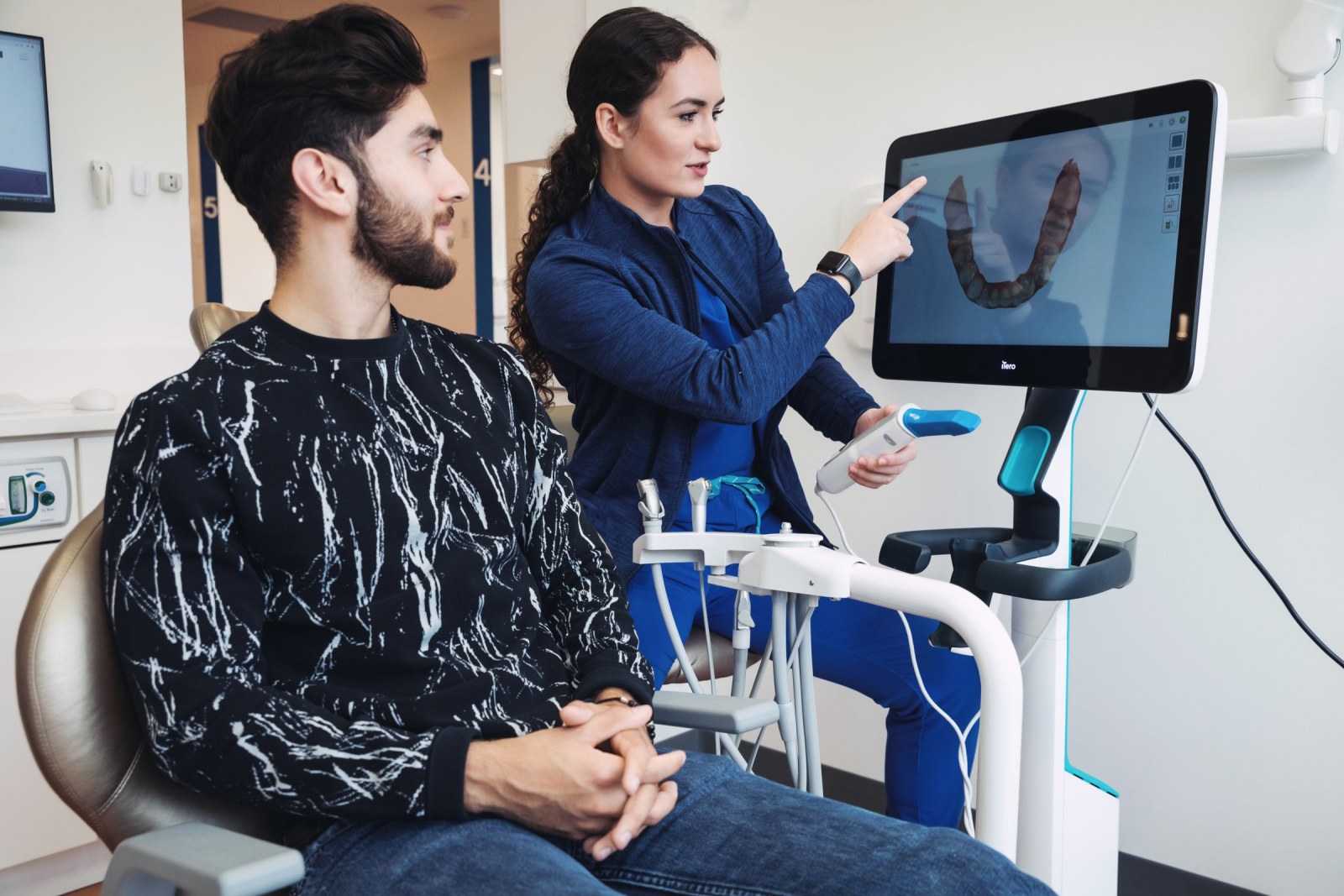
Sedation dentistry is not a single treatment. Different approaches provide different levels of relaxation, and the right choice depends on your health, anxiety level, and the procedure being performed.
Nitrous Oxide: Mild Relaxation With a Short Recovery
Nitrous oxide, sometimes called laughing gas, is inhaled through a small mask placed over your nose. It begins working quickly and can help you feel calmer during treatment.
With nitrous oxide, you remain awake and able to communicate with your dental team. You can respond to questions and let the team know if you need a break. Some patients experience a feeling of warmth, lightness, or mild tingling as the gas takes effect.
Nitrous oxide may be appropriate for patients who:
- Experience mild to moderate dental anxiety
- Want additional support during a cleaning or straightforward procedure
- Prefer an option with a relatively quick recovery
The effects generally wear off quickly after the gas is stopped and oxygen is administered as appropriate. Whether you can drive yourself afterward depends on the practice's instructions and your individual circumstances, so confirm this with your dental team before your appointment.
Oral Conscious Sedation: A Deeper Level of Relaxation
Oral conscious sedation involves taking prescribed medication before your appointment. It can produce a deeper state of relaxation than nitrous oxide, which may be helpful for patients with more significant dental anxiety or those preparing for longer procedures.
You generally remain responsive to your dental team, although you may feel drowsy and have limited memory of parts of the appointment. The level of sedation and the effects afterward depend on the medication and your individual response.
Before an oral sedation appointment, you'll typically need to:
- Follow the practice's instructions about eating, drinking, and taking medications
- Arrange for a responsible adult to drive you to and from the office
- Plan to rest at home for the remainder of the day
- Avoid driving, making important decisions, or performing other activities that require full alertness until you're cleared to resume them
Oral sedation can make treatment more manageable, but it doesn't eliminate every sensation or guarantee that you'll remember nothing. Your dental team should explain what to expect and how you'll be monitored before you proceed.
If feeling out of control is one of your main concerns, bring that up during your consultation. Understanding what the medication does, how the team communicates with you, and what choices you have during treatment can help you feel more prepared.
IV Sedation and General Anesthesia
IV sedation and general anesthesia provide different levels of sedation and are used in specific clinical situations. Depending on the approach, patients may be deeply sedated or fully unconscious.
These options may be considered for certain complex procedures or for patients whose medical, behavioral, or psychological needs make other approaches unsuitable. They require appropriate clinical expertise, monitoring, and planning.
Not every dental office provides these services on-site, and the appropriate setting depends on the procedure and the patient's needs. If you believe you may need a deeper level of sedation, your dental team can explain what is available and whether a referral or specialized setting is appropriate.
For many patients with dental anxiety, nitrous oxide or oral conscious sedation may provide sufficient support.
Is Sedation Dentistry Safe?
Sedation is used routinely in dental care, but no medication or sedation technique is entirely risk-free. Safety depends on choosing an appropriate method, reviewing your health history, following the required precautions, and providing monitoring that matches the level of sedation.
Before recommending sedation, your dental team should review factors such as:
- Your medical history and current health conditions
- Prescription medications, over-the-counter medications, and supplements
- Known allergies or previous reactions to medications
- The type and length of the planned procedure
- Your anxiety level and previous experiences with sedation
This information helps the team determine whether sedation is appropriate and which option may best fit your circumstances. Certain respiratory or cardiovascular conditions, medication interactions, and other health considerations may require additional precautions or a different approach.
Monitoring requirements also vary according to the sedation method. Your dental team should explain how you'll be monitored, what risks apply to your situation, and what instructions you'll need to follow before and after treatment.
What to Expect Before, During, and After Your Appointment

Knowing what will happen can make an unfamiliar experience feel more manageable, especially if you haven't visited a dentist in several years.
1. Start With a Phone Call
When you contact Opal at (586) 784-6725, you can simply explain that you're nervous or that it's been a long time since your last dental visit. You don't need to prepare a detailed explanation or know which sedation option you want.
Sharing your concerns early helps the team understand your needs and prepare for your visit.
2. Discuss Your Concerns at the Consultation
Your consultation is an opportunity to talk about your dental health, previous experiences, anxiety triggers, and treatment goals. The team can assess your oral health and discuss possible next steps.
If you're worried about being judged, let the team know. The purpose of the appointment is to understand your situation and help you make informed decisions, not to criticize you for delaying care.
You can also ask about the proposed treatment, sedation choices, expected costs, and what happens if you need additional time to feel comfortable.
3. Prepare for Sedation if It's Recommended
Preparation depends on the method being used. Nitrous oxide generally involves fewer restrictions than oral sedation, while oral medication may require fasting, transportation arrangements, and time to recover afterward.
Follow the instructions provided by your dental team rather than assuming the same rules apply to every type of sedation. Tell the team about any changes in your health or medications before the appointment.
4. During Treatment, Communicate Your Needs
Your dental team should explain what to expect and give you opportunities to ask questions. If you need a pause or feel uncomfortable, communicate that as soon as you're able.
Sedation can help reduce anxiety, but it works alongside clear communication and appropriate clinical care. Discussing a signal for breaks before treatment begins may also help if you're worried about speaking up once you're in the chair.
5. Plan for Recovery
Recovery depends on the sedation method and your individual response. Nitrous oxide usually wears off quickly, while oral sedation can affect alertness for several hours or longer.
If you've received oral sedation, follow all discharge instructions, have your designated driver take you home, and avoid driving or other activities that require full alertness for the period specified by your care team.
Sedation Dentistry for Children and Teens
Dental anxiety can affect children and teenagers, too. Unfamiliar sounds, bright lights, instruments, and the feeling of being examined can make a dental appointment difficult. Children with sensory sensitivities or certain developmental conditions may need additional preparation and support.
If your child is anxious, discussing their concerns with the dental team can help identify ways to make the visit more manageable. Sedation is one possible option, but it isn't necessary or appropriate for every child.
Which Sedation Options May Be Appropriate for Children?
Nitrous oxide is commonly used in pediatric dentistry when appropriate. It can help a child relax while remaining awake and able to respond to instructions.
Oral sedation may be considered in selected cases, depending on the child's age, weight, medical history, anxiety, ability to cooperate, and the treatment required. The decision should be made by a qualified dental professional after an individualized assessment.
Parents should ask how their child will be monitored, what preparation is required, and what recovery may look like. The team should also explain the benefits, limitations, and risks of the recommended approach.
Supporting Children With Sensory Sensitivities
Some children benefit from additional time to become familiar with the dental environment, clear explanations, predictable steps, or adjustments to lighting, sound, and communication. Let the practice know about your child's needs and any previous difficult experiences before the appointment.
Sedation may help in certain circumstances, but it should be considered as part of a broader plan for providing appropriate care.
Helping Your Child Prepare
A few simple steps may make the appointment feel less intimidating:
- Explain the visit in calm, age-appropriate language.
- Avoid making promises about what your child will or won't feel.
- Give your child opportunities to ask questions without repeatedly rehearsing frightening possibilities.
- Share relevant concerns and previous experiences with the dental team.
- Follow all instructions about eating, drinking, medications, and transportation if sedation is planned.
Regular checkups and preventive care help children maintain their oral health as they grow. Opal's general and preventive dentistry services and family dentistry page provide more information about care for patients of different ages.
How Much Does Sedation Dentistry Cost?
The cost of sedation depends on the method used, the length of the appointment, the monitoring required, and the dental treatment being performed. Because every patient's needs are different, the most reliable way to understand your costs is to request an estimate based on your proposed treatment plan.
In general:
- Nitrous oxide is often the least expensive sedation option, although fees vary by practice and appointment.
- Oral conscious sedation may cost more because it involves prescribed medication, additional preparation, and monitoring.
- IV sedation or general anesthesia may involve greater costs related to specialized personnel, monitoring, and the clinical setting.
Sedation fees may be billed separately from the dental procedure itself. Ask for an itemized estimate so you understand which services are included and whether additional fees may apply.
Does Dental Insurance Cover Sedation?
Coverage varies by insurance plan, procedure, and clinical circumstances. Some plans may exclude sedation for routine dental treatment, while others may provide benefits under specific conditions.
Contact your insurer to confirm your coverage before the appointment. You can also ask the Opal team what information is available to help you understand your expected costs.
Planning for the Cost of Care
If anxiety has kept you from seeking treatment, cost may be one of several concerns you are weighing. A consultation can help clarify which treatment is necessary, which sedation options may be appropriate, and what the expected investment would be.
Understanding the plan gives you an opportunity to consider your options and make decisions based on your needs and budget.
Frequently Asked Questions
Will I be unconscious during sedation dentistry?
Not usually with nitrous oxide or oral conscious sedation. These methods are intended to help you relax while generally allowing you to remain responsive. General anesthesia is different and produces unconsciousness. Your dental team can explain which level is appropriate for your procedure.
Will I remember my appointment?
Your memory of the appointment depends on the sedation method and your individual response. Nitrous oxide typically allows you to remain aware of the visit. Oral sedation may cause drowsiness and reduced memory of parts of the procedure, but it does not guarantee that you will forget the appointment.
Can I eat before a sedation appointment?
Instructions depend on the type of sedation and the planned procedure. Nitrous oxide may not require the same fasting precautions as oral sedation. Follow the specific instructions provided by your dental team, and ask for clarification if anything is unclear.
What if I'm still anxious after sedation begins?
Tell your dental team about your anxiety before treatment starts and let them know if you're uncomfortable during the appointment. Sedation may reduce anxiety, but its effects vary. Your team can explain what adjustments or alternatives may be appropriate rather than assuming one method will work for everyone.
Is sedation safe if I take medication or have a medical condition?
It may be appropriate for some patients, but the answer depends on the medication, condition, sedation method, and planned treatment. Provide a complete health history and medication list so your dental team can evaluate potential risks and determine whether additional precautions are needed.
Am I overreacting if I need sedation to visit the dentist?
No. If anxiety is preventing you from receiving dental care, it's a valid concern to discuss with your dental team. You don't need to wait until your fear becomes overwhelming or your dental problems become more complicated to ask about support.
Take the First Step Toward More Comfortable Dental Care
If you've been putting off dental treatment because of anxiety, scheduling a consultation can help you understand what comes next. You don't need to know which sedation method you want, have a complete treatment plan, or explain every detail of your experience before reaching out.
Call Opal Dental Group at (586) 784-6725 and let the team know if you're nervous, returning after several years away, or looking for support for your child. You can also use the practice's online contact form to get in touch.
The first conversation is an opportunity to share your concerns, ask questions, and learn about possible next steps. Your dental team can assess your needs and discuss options without requiring you to make every decision at once.
You don't have to resolve every concern before making that first call. Start by asking your questions and finding out what support may be available.
