
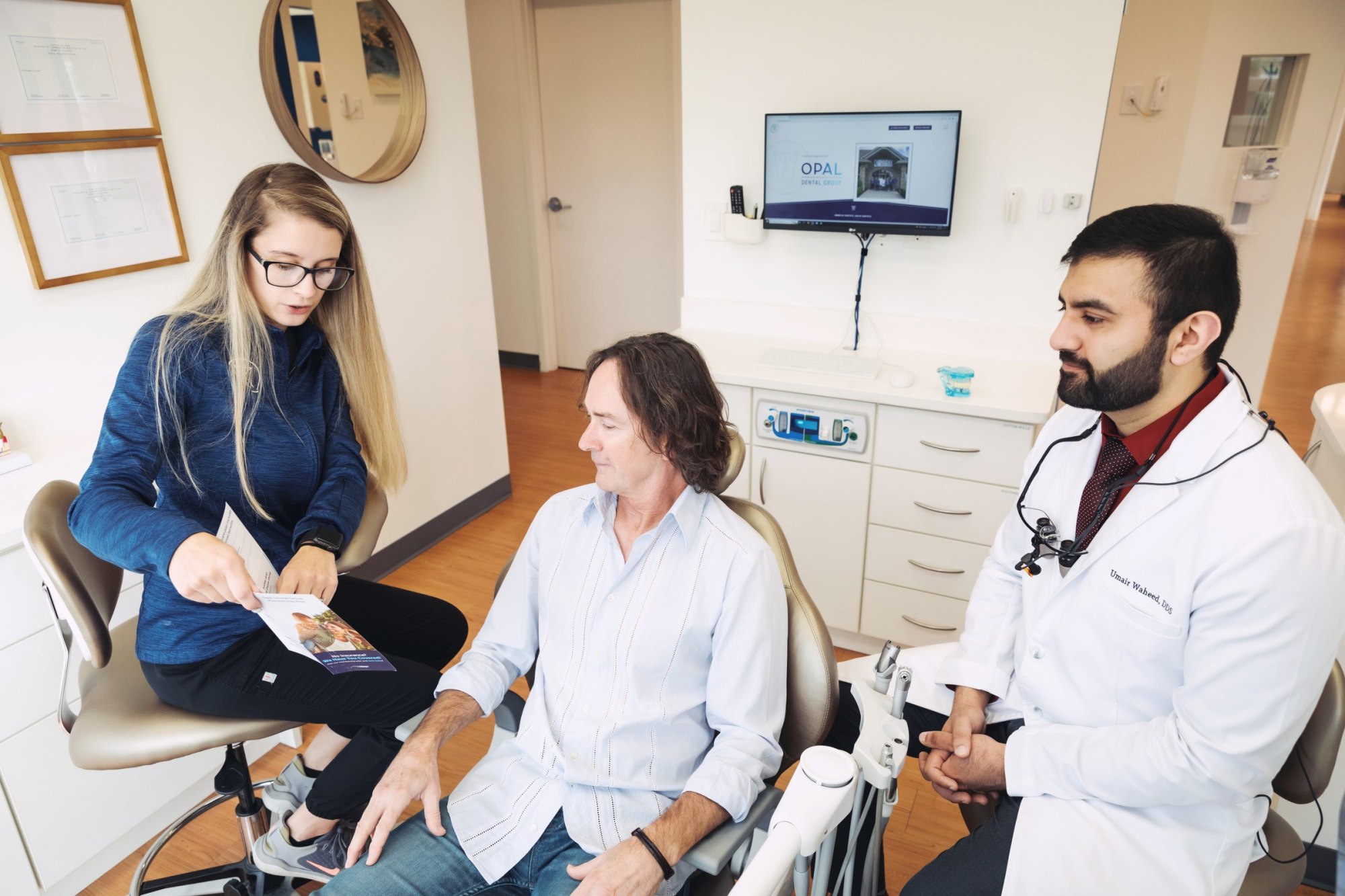
Restorative Dentistry in Macomb, MI: Repairing and Replacing Damaged or Missing Teeth
If you already know your teeth need work, you may have been putting off the appointment because you're unsure how serious things have become or what a dentist might recommend. The first step is simply an examination and a conversation. You don't have to arrive with a treatment plan or commit to anything that day.
Dr. Umair, Dr. Irum, and the team at Opal Dental Group on Hall Road in Macomb see patients at every starting point, including those whose last dental visit was five, ten, or more years ago.
Restorative dentistry covers the repair, replacement, and rebuilding of teeth affected by decay, damage, or tooth loss. It can involve something as straightforward as a filling or a more extensive plan to restore the function of your entire bite. The right approach depends on what is happening in your mouth and how much healthy tooth structure remains.
Quick Takeaways
- Restorative dentistry repairs or replaces damaged and missing teeth. Treatment can range from fillings and crowns to dentures, bridges, and full-mouth reconstruction.
- Several problems can contribute to tooth damage. Decay, cracks, grinding, gum disease, and aging dental work may overlap.
- Early evaluation can preserve more options. Delaying care may allow a manageable problem to become more complex and expensive.
- Treatment depends on the condition of your teeth and gums. Not every patient needs the same restoration, and some procedures may require a referral.
- Larger treatment plans can be completed in phases. Urgent concerns are addressed first, followed by functional repairs and any optional cosmetic work.
- Cost and timing should be discussed before treatment begins. Opal Dental Group reviews fees, dental benefits, and available payment options with patients.
Why Teeth Break Down: Decay, Cracks, Grinding, Gum Disease, and Old Dental Work
Teeth can become damaged for several reasons, and more than one problem may be present at the same time. Understanding what contributes to that damage helps explain why a dental examination may reveal several areas that need attention.
Decay
Bacteria in the mouth produce acids that weaken enamel. If decay reaches the softer dentin underneath, it can progress more quickly. Early cavities may not cause noticeable symptoms, which is why waiting for pain isn't a reliable way to know whether a tooth needs treatment.
Cracks and Fractures
Teeth can crack from biting hard foods, weakened structure around large fillings, or years of chewing forces. Some cracks cause pain only when biting, and they may not always appear clearly on X-rays. Their depth and location help determine whether a filling, crown, or more involved treatment is needed.
Grinding and Clenching
Grinding or clenching can gradually wear down teeth, chip edges, damage fillings, and loosen crowns. Some people notice flattened teeth or morning jaw soreness, while others grind during sleep without realizing it.
Gum Disease
Gum disease affects the tissues and bone supporting the teeth. It can progress without significant pain, gradually causing gum recession, bone loss, and loose teeth. When gum disease is present, treating it may need to come before restorative procedures because those treatments depend on a stable foundation.
Dental Work That Has Aged
Fillings, crowns, and bridges have a limited lifespan. Over time, their edges can wear or develop gaps, allowing decay to form underneath. Older restorations may also contribute to cracks in the surrounding tooth structure. Replacing dental work that has reached the end of its useful life is a normal part of long-term dental care.
When Several Problems Overlap
A patient may have decay beneath an old filling, gum disease affecting nearby teeth, and a crack caused by grinding. These concerns can influence one another, making it important to evaluate the whole mouth rather than look at each tooth in isolation.
At your examination, Dr. Umair and Dr. Irum can explain what they find and help determine which concerns need attention first.
Signs You May Need Restorative Dentistry (and What Happens If You Wait)

You don't need to diagnose a dental problem yourself, but certain changes are worth having evaluated. Common signs include:
- Lingering sensitivity: Discomfort from cold, heat, or sweets that continues after the trigger is gone.
- Pain when biting: Sharp or localized discomfort when chewing, which may indicate a crack or other damage.
- A chipped or rough tooth: A change in the tooth's shape or texture.
- A damaged filling: A restoration that feels loose, sharp, or partially missing.
- Changes in your gums: Bleeding, swelling, recession, or teeth that appear longer than before.
- Tooth mobility: A tooth that feels loose when touched.
- Persistent bad breath or an unpleasant taste: This may be associated with infection or other oral health concerns.
- Food repeatedly getting trapped: A recurring problem in the same area may indicate decay or a change in the contact between teeth.
- Swelling or a pimple-like bump on the gum: These can be signs of infection and should be evaluated promptly.
Why Delaying Treatment Can Make Things More Complicated
A small cavity may eventually require a crown if too much tooth structure is lost. Damage that reaches the nerve may require root canal treatment, while severe infection or loss of supporting bone can make extraction necessary.
Missing teeth can create additional problems. Nearby teeth may shift into the open space, the opposing tooth may move out of position, and the jawbone in the area may gradually shrink. These changes can affect chewing and limit some future replacement options. Addressing a concern earlier may help preserve more of the natural tooth and avoid additional procedures.
The Full Range of Restorative Treatments, From Fillings to Full-Mouth Reconstruction
Restorative treatment can address anything from a small area of decay to extensive tooth loss. The appropriate procedure depends on how much natural tooth remains, the condition of the surrounding gums and bone, and what needs to be restored.
The following options represent the treatments patients may discuss with their dentist. Opal Dental Group provides several restorative services in its Macomb office, while some procedures require referral to a specialist or surgical provider.
Fillings
A filling repairs a tooth after decay has been removed. Tooth-colored composite material is bonded to the remaining structure to restore its shape and function. Fillings are generally appropriate when the damaged area is limited and enough healthy tooth remains to support the restoration.
Inlays and Onlays
Inlays and onlays are custom restorations used when a tooth has more damage than a filling can reliably repair but does not require a full crown.
An inlay fits within the raised edges, or cusps, of the tooth. An onlay extends over one or more cusps to provide additional coverage. Both can preserve more natural tooth structure than a traditional crown.
Crowns
A crown covers the visible portion of a tooth to restore its strength, shape, and function. It may be recommended when a tooth has a large filling, significant decay, a fracture, or has undergone root canal treatment.
Crowns are custom-made using an impression or digital scan. Treatment generally involves two visits, with a temporary crown placed while the final restoration is being fabricated. Opal Dental Group does not offer single-visit milled crowns.
Root Canal Treatment
Root canal treatment addresses infection or damage inside a tooth. The dentist removes the affected tissue, cleans and disinfects the canals, and seals the space to help preserve the tooth.
A crown is often recommended afterward because the remaining tooth structure may be more vulnerable to fracture. Complex cases may be referred to an endodontist, a specialist in root canal treatment.
Extractions
When a tooth is too damaged or lacks sufficient supporting bone to be restored, extraction may be the most appropriate option. Removing the tooth can address infection and create space for a replacement.
Opal Dental Group performs extractions, including wisdom teeth removal. Deeply impacted teeth or medically complicated cases may require referral to an oral surgeon.
Bridges
A dental bridge replaces one or more missing teeth using neighboring teeth for support. The supporting teeth are prepared for crowns, which hold the replacement tooth or teeth in place.
A bridge is fixed and does not need to be removed for daily use. However, the supporting teeth must be reshaped, even if they are otherwise healthy.
Partial Dentures
A partial denture replaces several missing teeth while using the remaining natural teeth for support. It is removable for cleaning and may be adjusted if additional teeth are lost later.
Full Dentures
A full denture replaces all teeth in the upper or lower arch. Opal Dental Group makes dentures in its Macomb office.
Dentures restore the ability to eat and speak and provide support for the lips and cheeks. Because they rest on the gums, they may need periodic adjustments or relining as the underlying bone and tissue change.
Dental Implants and Implant-Supported Prosthetics
A dental implant is a titanium post placed in the jawbone to replace a missing tooth root. It can support an individual crown, a bridge, or a full-arch restoration. Implants do not require altering neighboring teeth and can help maintain bone in the area.
Implant placement is a surgical procedure, and healing generally takes several months. Opal Dental Group does not place implants in its office. Patients interested in this option are referred to a surgical provider, and the team can discuss whether implants may be appropriate before that referral.
Full-Mouth Reconstruction
Full-mouth reconstruction is a coordinated treatment plan that combines several restorative procedures to address widespread damage, tooth loss, or problems with the bite.
Rather than one procedure, it involves sequencing treatments over time to rebuild oral function. The plan may include crowns, bridges, implants, dentures, or other restorations depending on the patient's needs.
How Restorative Dentistry Connects to the Rest of Your Care
Restorative treatment works best when the health of the surrounding teeth, gums, and bite is also considered. Repairing a tooth is important, but maintaining the conditions that support the restoration is what helps protect it over time.
- Preventive care helps identify problems early. Regular examinations and cleanings allow the team to monitor existing restorations, check for new decay, and identify changes before they require more extensive treatment. Digital X-rays and an intraoral camera can also help explain what is happening beneath the surface.
- Gum health provides the foundation. Crowns, bridges, and partial dentures depend on healthy supporting tissues. If gum disease is active, periodontal treatment may need to happen before restorative work begins.
- Bite alignment can affect restorations. Uneven pressure may contribute to worn or fractured teeth. In some cases, orthodontic treatment such as Invisalign may be considered as part of a broader plan to improve how the teeth fit together.
- Cosmetic and restorative dentistry can overlap. Veneers may address front teeth with worn or chipped enamel, while crowns can restore both appearance and function. Whitening should generally be planned before new restorations are made because fillings and crowns do not change color with bleaching.
Which Option Fits Your Situation? Comparing Crowns, Bridges, Dentures, and Implants
When a tooth is damaged but still present, the decision may involve a filling, onlay, or crown. When a tooth is missing, the options depend on the number of missing teeth, the health of neighboring teeth, available bone, overall health, and budget.
Crown: When the Natural Tooth Can Be Saved
A crown may be appropriate when enough healthy tooth structure and root remain to support it. It covers the visible tooth without surgery and preserves the natural root. With good care, crowns can last well over a decade, although their lifespan varies.
When a tooth can be predictably restored, preserving it may be preferable to removing it and replacing it.
Bridge: A Fixed Replacement Without Implant Surgery
A bridge may work well when one or more teeth are missing and the neighboring teeth can support the restoration. It is fixed in place and generally takes a few weeks to complete.
The main tradeoff is that the supporting teeth must be reshaped. A bridge also does not replace the missing root, so it does not prevent bone changes in the area where the tooth was lost.
Partial or Full Denture: A Removable Replacement
Dentures may be appropriate when several or all teeth are missing, when surgery is not preferred or advisable, or when a removable option better fits the patient's budget and needs.
They can restore appearance and function without implant surgery, but they require daily removal and cleaning. Adjustments may also be needed as the gums and underlying bone change.
Implant: A Replacement That Also Replaces the Root
An implant may be an option for patients with adequate bone and healthy supporting tissues who can undergo surgery and heal appropriately. Smoking and uncontrolled diabetes can complicate treatment and may affect candidacy.
Implants generally involve a higher initial cost and a longer treatment timeline. However, they replace the tooth root, help maintain bone, and do not require reshaping neighboring teeth. Placement is completed by a surgical provider to whom Opal Dental Group refers patients.
How Phased Treatment Plans Turn a Long List Into Manageable Steps
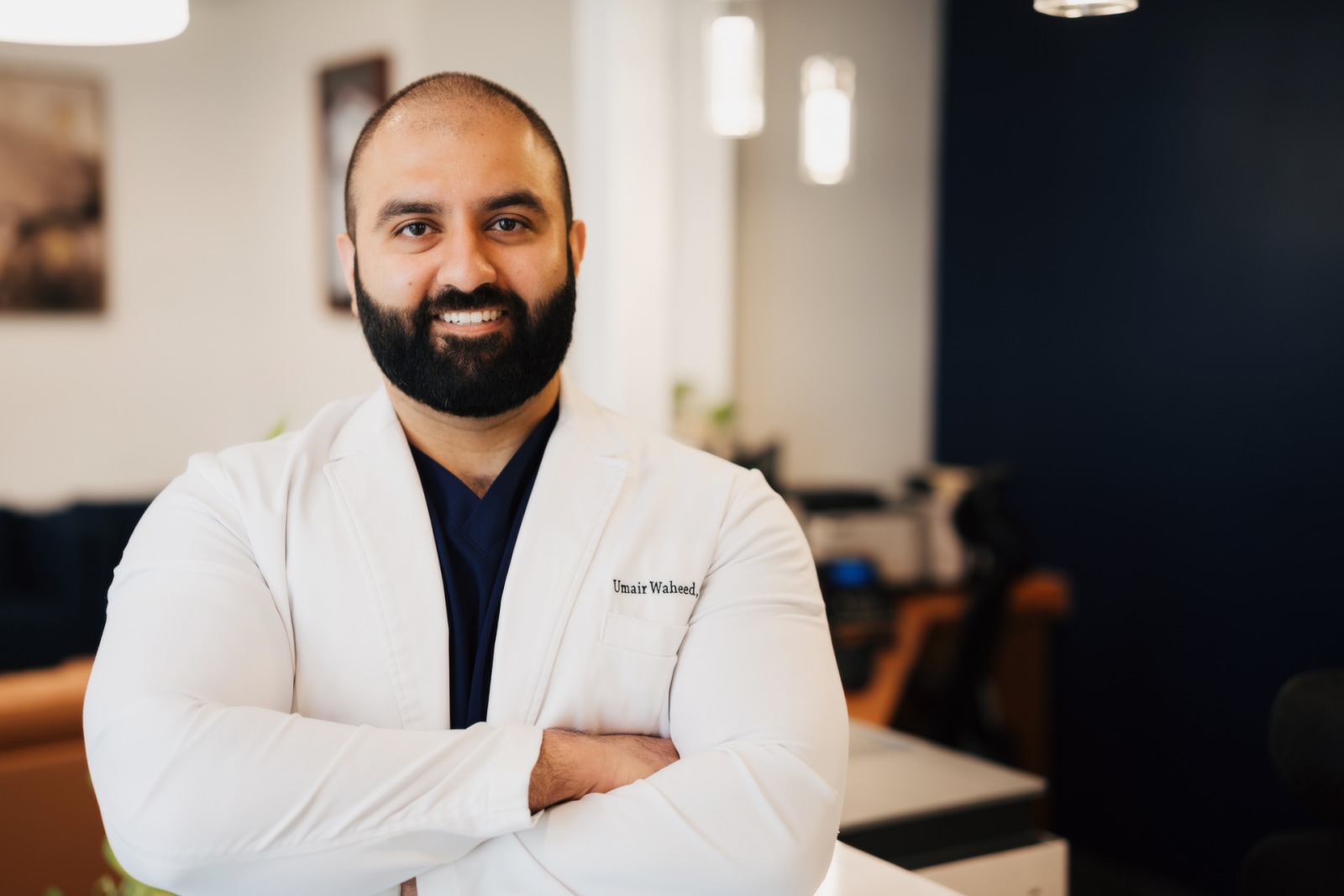
Being told that several teeth need attention can feel overwhelming. A treatment plan helps organize those needs into a practical sequence based on urgency, function, and your priorities.
Phase One: Address Urgent Problems
The first priority is usually anything causing pain, active infection, or an immediate risk to your oral health. This may include treating an abscess, removing a tooth that cannot be saved, or addressing active gum disease.
Phase Two: Restore Function
Once urgent concerns are stable, treatment can focus on repairing damaged teeth and replacing missing ones. This may involve fillings, crowns, bridges, partial dentures, or full dentures.
The goal is to restore comfortable chewing, speaking, and everyday function.
Phase Three: Consider Cosmetic Improvements
Cosmetic treatment can be considered after the underlying oral health concerns have been addressed. Depending on your goals, this may include whitening, veneers, or replacing older restorations in visible areas.
Not every patient needs or wants this final phase. The decision depends on your priorities and the condition of your teeth.
Why Treatment May Be Spread Out
Phasing treatment creates opportunities to complete one stage, review the results, and plan the next. It can also help patients coordinate care with their schedules, finances, and dental benefits.
Your dentist can explain which procedures should happen first and where there may be flexibility. The goal is to create a plan that addresses clinical needs without requiring you to complete everything at once.
What Restorative Treatment Costs, and How Patients Pay for It
Cost is a common reason people postpone dental care, particularly when they are unsure how much treatment they may need. The total investment depends on the procedures involved, the condition of the teeth, and whether additional treatment is necessary before a restoration can be placed.
Opal Dental Group provides specific fees after evaluating your needs, so you can review the proposed treatment and costs before scheduling.
In general:
- Fillings are usually among the less expensive restorative procedures.
- Inlays, onlays, and crowns cost more because they are custom-made.
- Root canal treatment and a crown should be considered together when both are needed.
- Bridges and partial dentures vary based on the number of teeth being replaced and the design of the restoration.
- Full dentures vary depending on the materials and adjustments required.
What Dental Insurance Typically Covers
Dental benefits vary by plan. Many provide stronger coverage for preventive care, partial coverage for fillings, and a lower percentage for major procedures such as crowns and bridges.
Annual maximums and waiting periods can also affect how much your plan contributes. Opal Dental Group can review your benefits and explain how they apply to your proposed treatment. When appropriate, spreading treatment across benefit years may help you make better use of your coverage.
If You Don't Have Dental Insurance
The Opal Membership Plan is an option for patients paying out of pocket. It includes exams and cleanings along with discounts on select treatments.
The membership plan is not dental insurance. It does not involve claim forms, annual maximums, or insurance waiting periods.
Payment Plans and Financing
A larger treatment plan may involve costs that are difficult to pay all at once. Opal Dental Group can discuss available payment arrangements and financing options before you commit to treatment.
The team can help you understand the expected costs and how to approach treatment within your budget. You can also call (586) 784-6725 to discuss financial questions before scheduling.
Recovery, Aftercare, and Making Restorations Last
Recovery varies by procedure. Follow your dentist's instructions and keep these general considerations in mind:
- Fillings, inlays, and onlays: Avoid chewing until numbness wears off. Temporary sensitivity is possible; contact the office if your bite feels uneven.
- Crowns and bridges: Avoid hard or sticky foods while wearing a temporary restoration. Clean carefully around permanent crowns and underneath bridges using floss or a water flosser.
- Root canal treatment: Some tenderness is normal for a few days. Complete the recommended restoration, often a crown, to protect the tooth from fracture.
- Extractions: Protect the blood clot by avoiding straws, smoking, vigorous rinsing, and hard foods during initial healing. Contact your dentist if pain worsens.
- Dentures and partials: Allow time to adjust, start with softer foods, and contact the office about sore spots or needed adjustments.
Habits That Help Protect Restorations
- Wear a custom night guard if you grind your teeth.
- Clean around restorations daily to help prevent decay.
- Avoid chewing ice and other hard objects that can damage teeth.
- Keep up with routine exams and cleanings.
- Contact the office if you notice new sensitivity, rough edges, or food getting trapped.
Dental Anxiety and Sedation: What's Available If Fear Is the Real Obstacle

For some patients, the main barrier to restorative care is anxiety about being in the dental chair. If fear has kept you from scheduling an appointment, let the team know when you call. Understanding your concerns can help them plan a more comfortable visit.
Opal Dental Group offers oral conscious sedation. This involves taking prescribed medication before your appointment to help you feel deeply relaxed while remaining awake and able to respond. It may be helpful for patients with significant anxiety or those facing longer appointments.
Sedation is not appropriate for everyone. Your health history and current medications must be reviewed before it is recommended.
Some patients feel comfortable with simpler adjustments, such as having each step explained in advance or agreeing on a signal to pause treatment. The team can discuss these options and help you decide what support may be useful.
Frequently Asked Questions
Will I Be Judged for How Long It's Been Since My Last Appointment?
No. The purpose of an examination is to understand your current oral health and explain your options. You do not need to apologize for the time away or have a detailed explanation ready before your visit.
Can I Fix My Front Teeth First?
Sometimes, but the order depends on your overall oral health. An infection or unstable bite may need attention before cosmetic work can be completed safely. Your dentist can explain which treatments are urgent and where you have flexibility.
How Long Does a Full Treatment Plan Take?
A limited plan may take only a few weeks, while extensive reconstruction can take several months or longer, particularly when healing periods are required. Your dentist can provide a proposed timeline after evaluating your needs.
How Long Is a Written Treatment Plan Valid?
You can take your treatment plan home and review it before making a decision. However, untreated dental problems can change over time, and fees or insurance benefits may also change. If several months have passed, contact the office to review the recommendations and costs before scheduling.
What If I Only Want to Address Urgent Problems Right Now?
That may be a reasonable starting point. Your dentist can identify what needs immediate attention, explain the risks of delaying other treatment, and help you plan additional care when you are ready.
Your Next Step: A Conversation
Your first appointment is an opportunity to understand your oral health and discuss what may help. The team may use an examination, digital X-rays, and photos to evaluate your teeth and explain its findings. You'll have a chance to ask questions, review possible treatments, and understand the costs before deciding how to proceed.
Opal Dental Group is located at 22537 Hall Road in Macomb. Dr. Umair Waheed and Dr. Irum Waheed provide care for patients of all ages. If you've been putting off dental work because of uncertainty, anxiety, or cost, you can start with a conversation.
Call (586) 784-6725 to schedule a visit or discuss your questions with the team.
