
You Know Something Needs to Change. But You're Not Sure How Much
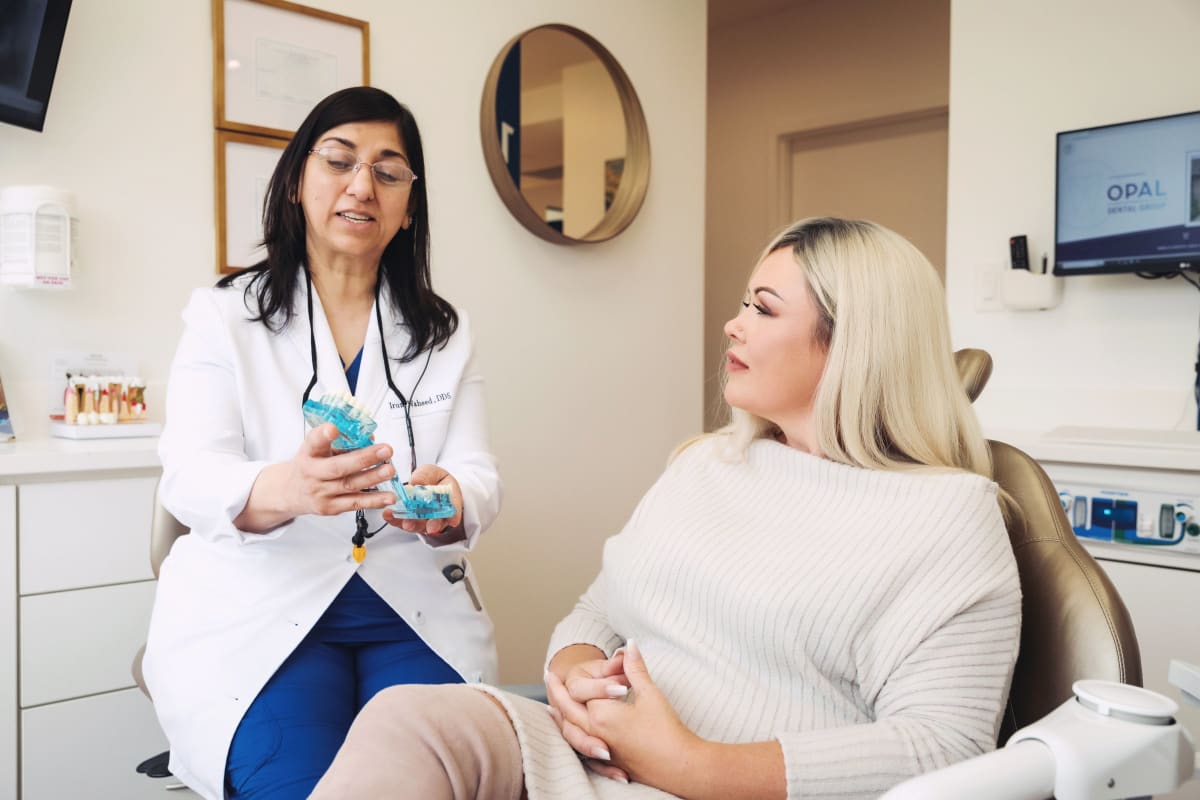
Maybe you've stopped smiling in photos. Maybe you catch yourself covering your mouth when you laugh, or you've been quietly Googling "fix my teeth" at midnight without ever actually booking an appointment. You know something needs attention, but the moment you try to figure out what kind of treatment you actually need, the options start blurring together and the whole thing feels like too much to sort out on your own.
Here's the core distinction worth understanding right away: a smile makeover is the right conversation when your teeth and bite are structurally healthy but you want to improve how your smile looks. Full-mouth restoration, on the other hand, starts with function and health first, addressing damage, bite problems, or missing teeth before cosmetics ever enter the picture. Knowing which category applies to you changes everything about where to begin.
Dr. Umair hears this kind of uncertainty from people all the time, and the good news is that figuring out which path fits your situation is a lot simpler than it feels right now.
What a Smile Makeover Actually Involves
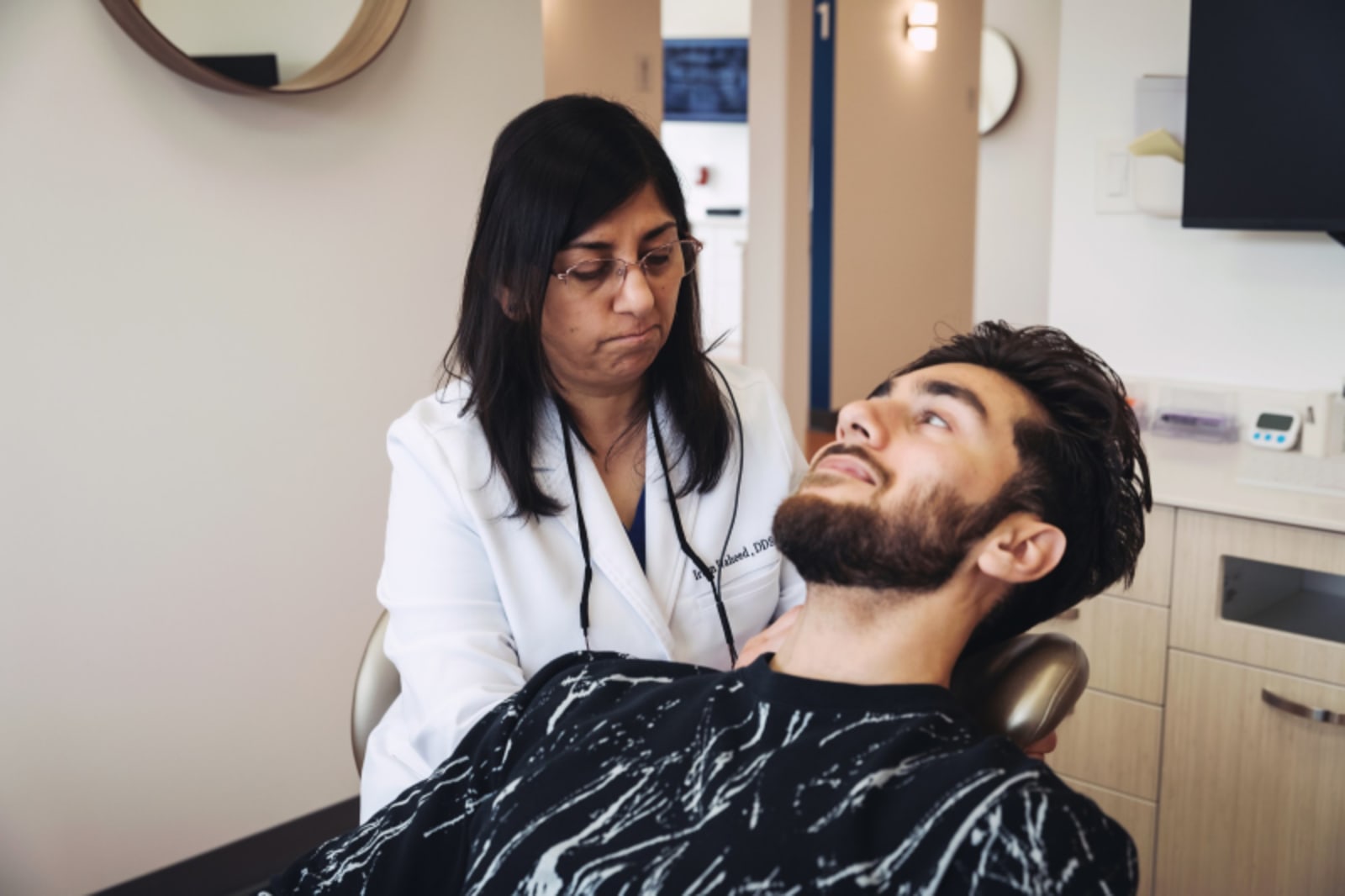
A smile makeover isn't a single procedure. It's a plan built around what you want to change and what your smile needs to get there. For most people, that means addressing things like tooth color, shape, size, or minor spacing issues that have bothered them for years but never felt urgent enough to act on.
The key word there is "minor." A smile makeover is designed for someone whose teeth and gums are fundamentally healthy. No active decay, no gum disease, no significant bite problems. Those things have to be resolved first, because cosmetic work built on an unstable foundation won't last. Think of it like painting walls before fixing a leak. The cosmetic piece comes after the foundation is solid.
Once that foundation is confirmed, the actual makeover can involve a few different approaches depending on what you're trying to achieve. Porcelain veneers are often part of the conversation, since they can change color, shape, and proportion all at once. Teeth whitening handles discoloration on its own when the shape and alignment are already where you want them. Dental bonding can correct small chips or gaps without anything more involved. And for some people, gum contouring makes a real difference, especially when uneven gum tissue is what's making teeth look short or asymmetrical.
What ties all of it together is that the goal isn't to make your smile look like someone else's. It's to make it look like the best version of yours. You can learn more about what that process looks like at Opal Dental Group's smile transformation page, which walks through how these pieces come together for real patients.
When the Problem Goes Deeper Than Appearance
Sometimes what brings someone into a dental office isn't a chipped tooth or a smile they want to change. It's the fact that chewing has become uncomfortable. Or that their jaw aches in the morning. Or that they look in the mirror and notice their teeth look shorter than they used to, worn down over years in a way that crept up slowly.
These are the signs of something that goes beyond cosmetics. Full-mouth restoration is about rebuilding how your teeth actually work together as a system. When teeth are missing, the ones around them shift to fill the space. When decay has been left untreated for a while, it changes how your bite comes together. When grinding has worn down the surfaces of your teeth, your jaw compensates in ways that can lead to soreness, tension, and headaches you might not even connect to your mouth.
This kind of care isn't just "more dental work." It's addressing the foundation. The goal is to restore function first, so that everything else, including how your smile looks, has something solid to build on.
If any of this sounds familiar, you're not alone, and you're not too far gone. The general dentistry services at Opal Dental Group are designed to meet patients exactly where they are, whether that means starting with one pressing concern or mapping out a longer path back to a healthy, comfortable bite.
The Question Isn't Which One Looks Better. It's Which One You Actually Need
Here's a misconception worth clearing up early: most people assume choosing between cosmetic and restorative dentistry comes down to preference or what fits the budget. It doesn't. The choice is largely determined by what's actually going on in your mouth, not what you'd prefer to do about it.
Think of it this way. If there's decay underneath a tooth, or a bite that's putting uneven pressure on your jaw, cosmetic work done on top of that is a bit like painting over a cracked foundation. It might look fine at first, but the underlying problem doesn't go away. It just gets more expensive to address later.
This is exactly where a thorough clinical assessment matters so much. A dentist's job in this conversation isn't to sell you a treatment plan. It's to figure out what's actually happening beneath the surface and be honest with you about what that means. Some people come in with veneers in mind and discover they need restorative work first. Others brace themselves for something major and find out a smile transformation is genuinely all they need.
Either way, knowing the real answer before committing to anything is what protects both your health and your investment. That clarity starts with a conversation and an honest look at where things stand right now.
Why the Overlap Between These Two Can Be Confusing
Here's the honest truth: the line between restorative and cosmetic dentistry isn't always clean, and that's genuinely confusing for a lot of people. It's not a sign that you're missing something obvious. It's just that the categories don't always behave the way you'd expect.
Take a full-mouth restoration. The primary goal is function and health, but rebuilding a mouth often means placing crowns, reshaping teeth, and improving overall appearance along the way. The result can look like a smile makeover, even if that wasn't the starting point. On the flip side, a smile transformation might involve porcelain crowns, which are technically restorative materials. So the same procedure can show up in both conversations depending on why it's being done.
The distinction really comes down to two things: the primary goal and the starting condition of the mouth. But figuring that out isn't something you can do by reading descriptions online. It requires an actual exam, a look at what's going on beneath the surface, and a real conversation about what you want to walk away with. Self-diagnosing which category you fall into often leads people in the wrong direction before they've even sat down in the chair. The right path becomes clear once someone who knows what they're looking at actually looks.
What to Expect When You Come In Not Knowing Which You Need

Most people who sit down in the exam chair haven't already figured out whether they need a crown or a veneer. That's completely normal. You're not expected to arrive with a diagnosis. You're expected to arrive with a concern, and that's enough to start.
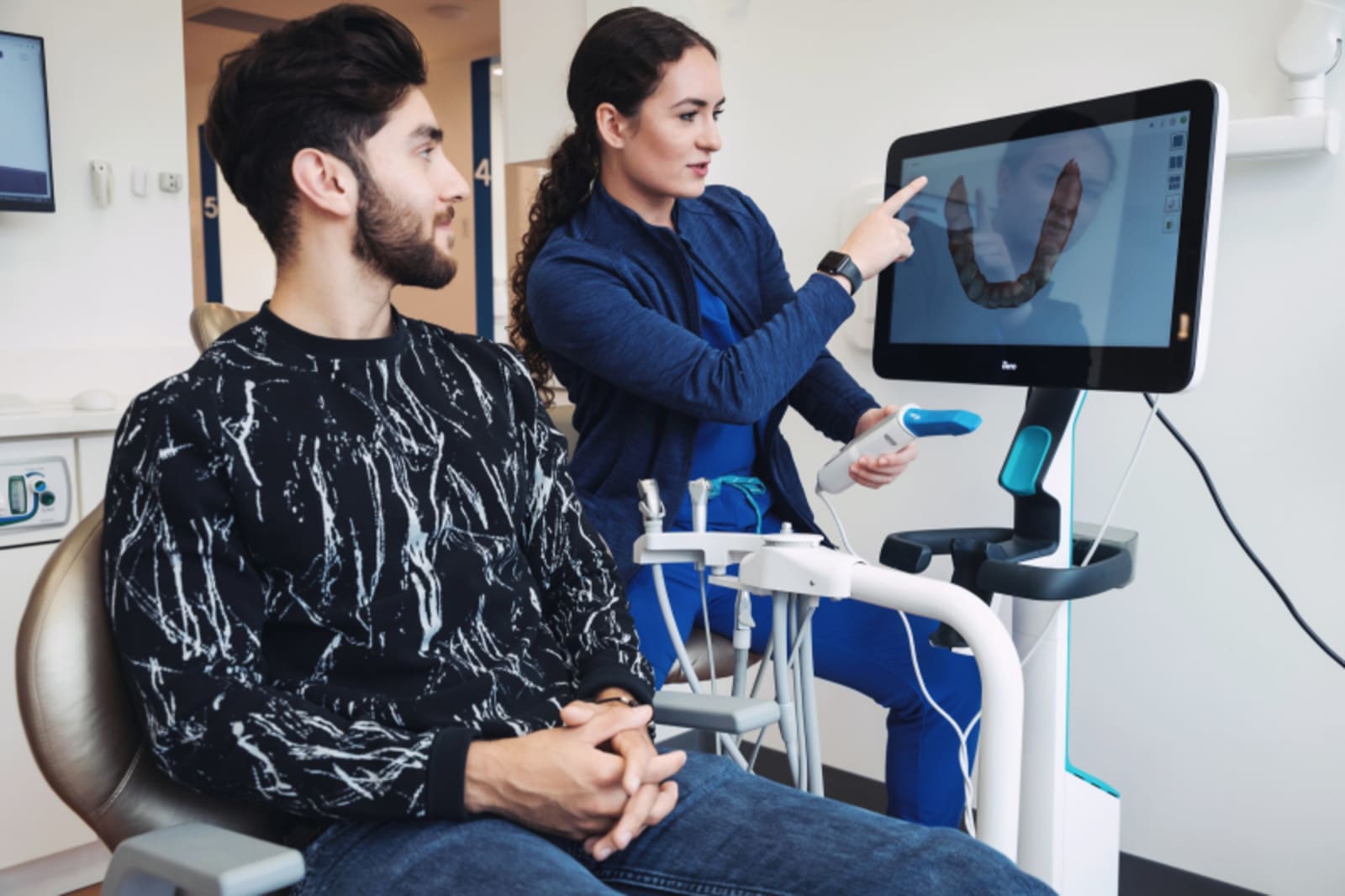
At Opal Dental Group, a consultation for something like this usually begins with a conversation. What's bothering you? Is it the way something looks, the way it feels, or both? From there, the team reviews your dental history, takes a close look at your bite, and checks the health of your gums and surrounding teeth. Those details matter because cosmetic work built on a shaky foundation doesn't last, and no one wants to redo treatment that could have been done right the first time.
The exam is designed to match treatment to your actual condition, not to steer you toward the most involved option. If a veneer does the job, that's what gets recommended. If the tooth needs structural support first, you'll hear why in plain language.
If you want to know more about what that first visit looks like from start to finish, learn what to expect at your first visit before you come in. Or just call us at (586) 784-6725 and we can walk you through it.
Ready to Find Out Where You Actually Stand?
Sometimes the hardest part isn't the treatment itself. It's sitting with that quiet uncertainty, wondering whether what you're dealing with is a cosmetic fix or something more involved. Not knowing which path applies to you isn't a reason to wait. It's exactly the right reason to come in.
Start with a conversation, not a commitment. Dr. Umair and the team at Opal Dental Group will take a look at the full picture and give you a clear, honest answer about where you stand and what your options actually are. No pressure, no assumptions.
Give us a call at (586) 784-6725 whenever you're ready.
