

What Are the Different Types of Dental Implants Available?
You're missing teeth and you're tired of it. Maybe it's one tooth from an accident that makes you cover your mouth when you laugh. Maybe it's several from gum disease that's changed how you eat. Or maybe you're dealing with dentures that slip when you're trying to have a normal conversation. Whatever brought you here, you need to know what your options actually are—and more importantly, which one will work for your specific situation.
What You Need to Know Right Now
- You have real options: Even if you've been told "no" before, modern implants work for almost everyone
- Your bone situation matters most: This determines which type will work, but there's usually a solution
- Timeline is flexible: Some people walk out with teeth the same day, others need a few months
- Materials make a difference: Titanium is proven, zirconia is metal-free—both work great
- Size options exist: Mini implants can work when regular ones won't
The Three Main Types (And Which Might Work for You)
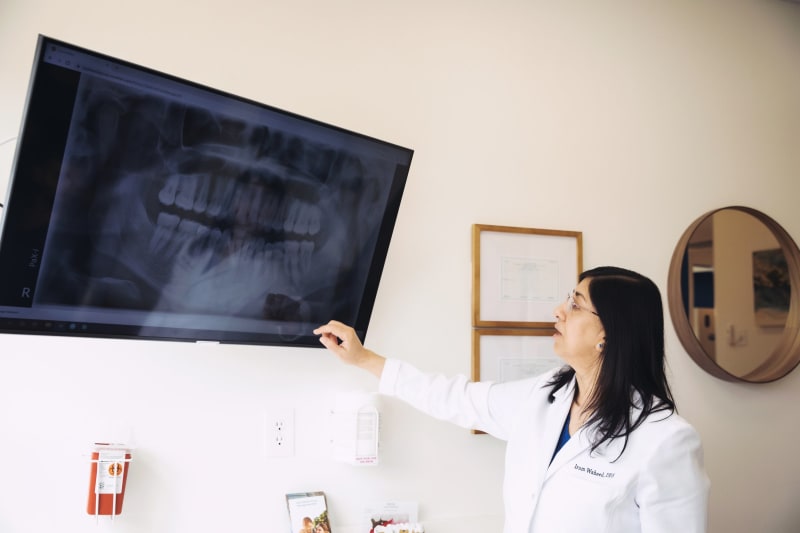
Here's the thing about implants: they're not one-size-fits-all. Your mouth is unique, and what works for your neighbor might not work for you. But that's actually good news, because it means there's probably a solution designed specifically for your situation.
Regular Implants (What Most People Get)
If you've got decent bone left where your tooth used to be, this is probably what you'll end up with. We place a small titanium screw where your tooth root used to be. Over the next few months, your bone actually grows around it and locks it in place. It sounds intense, but most patients tell us the anticipation was worse than the actual experience.
Here's what you need to know if this is your option:
- You need decent bone: If you lost your tooth recently, you probably have enough
- It's a minor procedure: Think wisdom tooth removal, not major surgery
- Healing takes time: Usually 3-6 months before you get your final tooth
- Success rates are excellent: These work for the vast majority of people
- They handle anything: Single teeth, multiple teeth, even full dentures
Once it's healed, you'll forget it's not your natural tooth. You can bite into an apple, chew steak, whatever you want. That's the whole point.
Subperiosteal Implants (When You Don't Have Enough Bone)
If you've been told you don't have enough bone for regular implants, don't panic. These work completely differently. Instead of drilling into your jawbone, we create a custom metal framework that sits on top of your existing bone, under your gums.
This might be your option if:
- You've lost significant bone: From long-term denture wear or gum disease
- You want to avoid bone grafting: These skip that step entirely
- You need a custom solution: Each one is made specifically for your mouth
- You want faster results: Less healing time than grafts plus regular implants
They're not as common as they used to be because bone grafting has gotten so much better, but they're still a great option when regular implants won't work.
Zygomatic Implants (For Severe Bone Loss)
These are the specialists of the implant world. If you've lost a lot of bone in your upper jaw—maybe from years of dentures or severe gum disease—these bypass your jawbone entirely and anchor into your cheekbone instead.
You might need these if:
- You've been told you're not a candidate: These often work when nothing else will
- You want to avoid major bone grafting: They skip months of healing
- You need immediate results: Often you can get temporary teeth the same day
- Your upper jaw has severe bone loss: They reach stable bone in your cheek area
These require a specialist, but they can be life-changing for people who thought implants weren't possible.
Titanium vs Zirconia: What's the Difference for You?
You'll need to choose what your implant is made of. It's not just a technical detail—it affects how your implant looks, feels, and integrates with your body.
Titanium: The Proven Choice
Titanium has been the gold standard for decades. Your bone actually loves this stuff—it grows right around it and creates an incredibly strong bond. If you want the most predictable, time-tested option, this is it.
Choose titanium if:
- You want the most proven option: Decades of success stories
- Strength is your priority: Handles heavy chewing forces beautifully
- Cost matters: Generally less expensive than ceramic options
- You're not worried about metal: It's biocompatible, but it is metal
- Location isn't super visible: Gray color rarely shows, but it can with thin gums
Zirconia: The Metal-Free Option
If you prefer to avoid metal or you're worried about aesthetics in your front teeth, zirconia might be your choice. It's white ceramic that looks more natural if it ever shows through your gums.
Consider zirconia if:
- You want metal-free dentistry: Some people just prefer this approach
- Aesthetics are crucial: White color won't show through thin gums
- You have metal sensitivities: Though rare, some people do better without metal
- You want the latest technology: These are newer but showing excellent results
- Front teeth are involved: Where appearance matters most
Both work great. The choice often comes down to your personal preferences and specific situation.
Mini Implants: When Less is More

Sometimes you don't need a full-sized implant. Mini implants are smaller in diameter, which opens up possibilities if you have limited space or bone, or if you just want a less invasive procedure.
When Mini Implants Make Sense
These aren't just "smaller versions" of regular implants—they're designed for specific situations where they actually work better than the full-sized ones.
You might be a candidate if:
- You have narrow spaces: Perfect for small front teeth or tight areas
- Your dentures are loose: A few mini implants can lock them in place
- You have limited bone: Often work without needing bone grafts
- You want faster healing: Less invasive means quicker recovery
- You want immediate results: Often can support teeth right away
- Budget is a concern: Generally cost less than traditional implants plus grafting
When You Need the Full-Sized Version
Regular implants are still the gold standard for most situations, especially if you're replacing larger teeth or need maximum strength.
You probably need traditional implants if:
- You're replacing back teeth: These handle heavy chewing forces
- You want maximum longevity: Larger surface area means better long-term stability
- You're supporting multiple teeth: Bridges and larger restorations need the strength
- Bone preservation matters: Better at maintaining your jawbone over time
The decision isn't just about size—it's about matching the right implant to your specific needs and long-term goals. Our team at Opal Dental Group can help you figure out which option gives you the best combination of function, looks, and durability.
Timeline: How Long Will You Be Without Teeth?
This is probably one of your biggest concerns. Nobody wants to walk around with gaps in their smile or deal with the embarrassment of missing teeth during treatment.
Same-Day Teeth (Yes, It's Real)

If your bone is in good shape and the implants go in solidly, you might be able to walk out with temporary teeth the same day. It's not magic—it's just good planning and the right conditions. Dr. Umair has extensive experience with immediate loading protocols, and he can usually tell during your consultation whether you'll be a candidate for same-day teeth.
You might be a candidate for immediate teeth if:
- Your bone is dense and healthy: Provides immediate stability for the implant
- The implant goes in solidly: We need excellent initial stability
- You can follow dietary restrictions: Soft foods during the healing period
- You're committed to oral hygiene: Critical during the integration phase
- You understand the process: Final teeth come later, after complete healing
The temporary teeth aren't as strong as your final ones, but they look good and let you function normally while everything heals.
Traditional Healing (The Patient Approach)
Sometimes it's better to let your implants heal undisturbed for a few months before adding teeth. It requires more patience, but it often gives the most predictable, long-lasting results.
This approach makes sense when:
- Your bone needs time: Some situations benefit from undisturbed healing
- You have temporary solutions: Partial dentures or flippers can fill the gap
- You want the strongest result: Undisturbed healing often creates the best bond
- Your case is complex: Multiple implants or challenging bone situations
Most patients find the wait is worth it when they get decades of rock-solid function. During your consultation, we'll talk about which timeline makes sense for your situation and lifestyle.
What If You Don't Have Enough Bone?
This is where a lot of people get discouraged. Maybe another dentist told you that you're not a candidate, or you're worried that years of dentures or gum disease have left you without options. Here's the truth: there are almost always solutions. We've helped patients from Sterling Heights to Clinton Township who were told elsewhere that implants weren't possible. Dr. Irum's experience with complex cases means we can often find solutions when others can't.
When You Might Need Bone Grafting
Bone grafting sounds scary, but it's often not as big a deal as you think. Sometimes it's done at the same time as your implant placement, and sometimes it's a separate step.
You might need grafting if:
- Your jawbone isn't tall enough: For standard implants to fit safely
- The ridge is too narrow: Not wide enough to support an implant
- You're close to your sinus: Upper jaw situations where we need more clearance
- Aesthetics matter: Front teeth need optimal bone contours to look natural
- Long-term stability is crucial: Ensuring you have enough support for decades
The type of grafting varies a lot. Minor grafts might be done when we place your implant. Major reconstruction might need several months of healing first.
Ways to Avoid Extensive Grafting
Modern implant dentistry has lots of tricks to work around bone limitations without major grafting procedures. These can save you time, money, and discomfort while still giving you great results.
Your options might include:
- Shorter implants: Specially designed to work in limited bone height
- Angled placement: Strategic positioning to maximize contact with existing bone
- Zygomatic implants: Using your cheekbone when jawbone isn't sufficient
- Mini implants: Smaller diameter means less bone needed
The goal is always to get you the best long-term result with the least invasive approach that works for your situation. If you've been told implants aren't an option for you, we'd love the chance to take a closer look. Call Dr. Umair and Dr. Irum at 586-784-6725 to schedule a consultation. You may have more options than you think.
