

What to Expect During a Tooth Extraction: A Guide for Nervous Patients
A lot of people put off a tooth extraction for months, sometimes years, not because they don't know they need one, but because the idea of it feels like too much. That's not unusual. Dental anxiety is common, and an extraction can carry more emotional weight than a routine cleaning, even when the actual procedure is less dramatic than many people imagine.
Here's what may help: many routine extractions can be completed in a relatively short appointment, and local anesthesia is used to prevent pain during the procedure. You may still feel pressure or movement, but you shouldn't feel sharp pain. If you do, let your dentist know so they can assess whether you need additional anesthetic before continuing.
At Opal Dental Group, Dr. Umair Waheed, Dr. Irum Waheed and the team understand that getting comfortable is an important part of dental care. If you're worried about an extraction, you can discuss your concerns and ask about options to help you feel more at ease before treatment begins.
Quick Takeaways
- Local anesthesia helps prevent pain during a tooth extraction, though pressure and movement are normal.
- A simple extraction differs from a surgical extraction, and the approach depends on the tooth's position and condition.
- Nitrous oxide and oral sedation may be options for eligible patients with dental anxiety.
- Plan for the full appointment, transportation if sedation is used, and some recovery time afterward.
- Your dental team will explain aftercare instructions before you leave.
Before Anything Happens: The Numbing Step
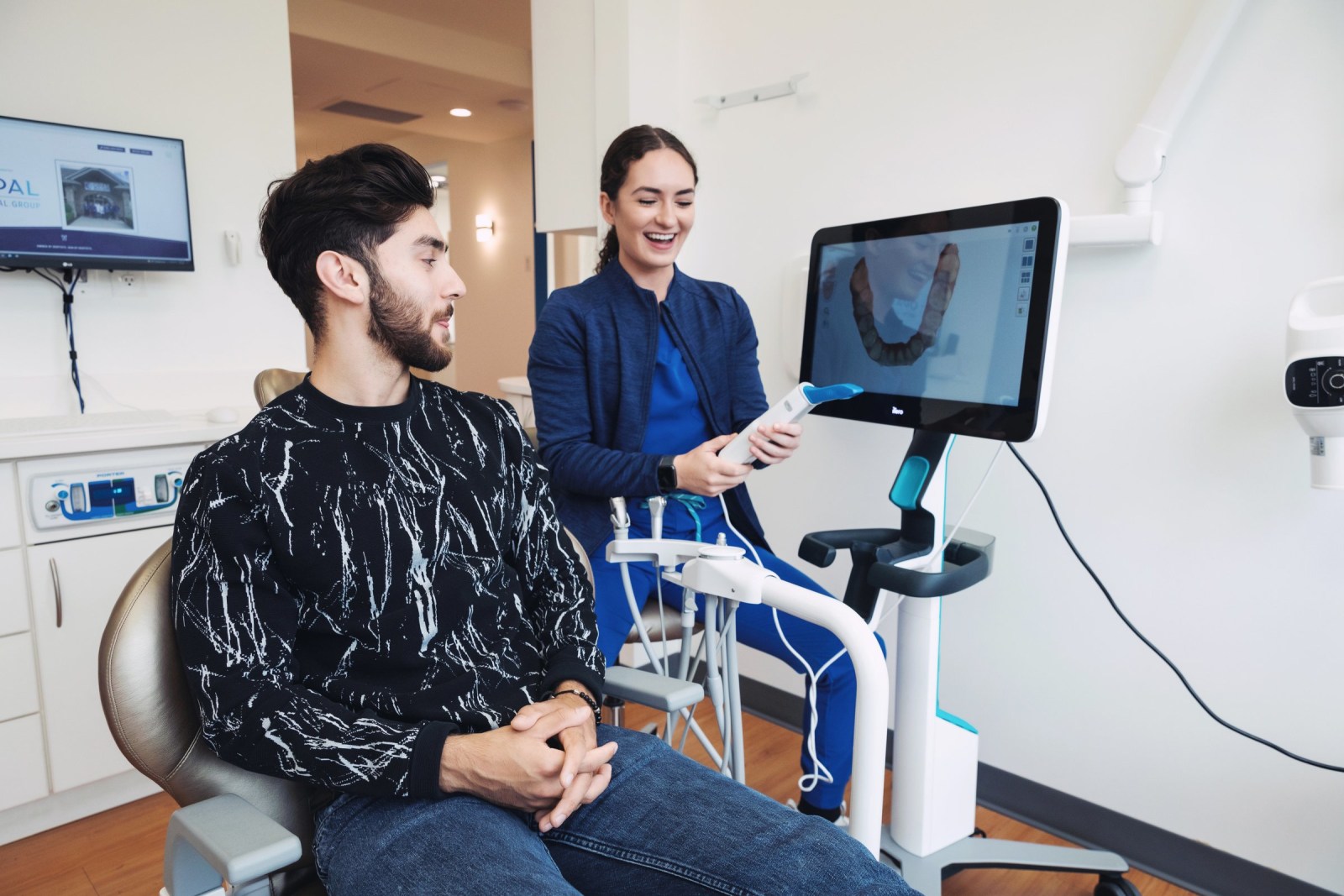
For a lot of people, the needle is the biggest fear. Not the procedure itself, but the thought of a shot in the mouth can be enough to put off a dental appointment for years. If that sounds familiar, understanding how the numbing process works may make it feel less intimidating.
Depending on the treatment plan, the dentist may apply a topical anesthetic to the gum tissue before administering local anesthetic. The topical product can help numb the surface, although you may still notice pressure or a brief pinch during the injection.
Afterward, the dentist allows time for the anesthetic to take effect and checks that the area is sufficiently numb before proceeding. You may feel pressure or movement during the extraction, but you should not have to simply tolerate sharp pain. If something hurts, let the dentist know. You can also agree on a hand signal beforehand if speaking feels difficult once treatment begins.
Taking time to get adequately numb and making sure you feel able to communicate are important parts of helping you through the procedure.
What the Dentist Is Actually Doing During the Extraction
Understanding the basic steps can help make an extraction feel less mysterious. Most procedures fall into one of two categories: simple extraction or surgical extraction.
- A simple extraction is generally used when the tooth is visible and accessible. After the area is numbed, the dentist uses specialized instruments to loosen the tooth from the surrounding tissues before removing it.
- A surgical extraction may be necessary when a tooth is broken near the gumline, impacted, or difficult to access. The dentist may need to make a small incision in the gum tissue or divide the tooth into sections to remove it safely. The exact approach depends on the tooth and its position.
During either type of extraction, you may notice pressure, rocking, or movement as the dentist works. Local anesthesia blocks pain signals, but it doesn't eliminate every physical sensation. Feeling pressure does not necessarily mean the anesthetic has worn off. However, sharp pain should be reported immediately so the dentist can reassess your comfort before continuing.
The length of the procedure varies. A straightforward extraction may take only a short time, while a more complex surgical extraction or removal of multiple teeth can take longer. Your dentist can give you a more useful estimate after examining the tooth and reviewing any necessary X-rays.
If anxiety has made it difficult to seek treatment, ask whether sedation options may be appropriate for you. Opal Dental Group also provides family dentistry in Macomb, making it easier for households to discuss their dental care needs with one practice.
If You're Nervous, Sedation Is an Option Worth Asking About

Dental anxiety affects adults as well as children. Some people feel uneasy but can manage with reassurance and local anesthesia. Others experience enough fear that they avoid appointments altogether.
If anxiety is making an extraction difficult to consider, ask your dentist about sedation. Depending on your health, the procedure, and the options available at the practice, sedation may help you feel more relaxed during treatment.
Two options you may hear about include:
- Nitrous oxide: Also called laughing gas, this is inhaled through a small mask and can help reduce anxiety. Its effects typically wear off relatively quickly after the gas is stopped.
- Oral sedation: This involves taking prescribed medication according to your dentist's instructions. It can produce a deeper sense of relaxation, although the effects and level of sedation vary from person to person.
Neither option should be assumed to be appropriate for every patient. Your dentist will consider your medical history, medications, planned procedure, and level of anxiety when discussing your choices. Sedation also doesn't replace local anesthesia for an extraction.
How Long the Whole Appointment Actually Takes
Knowing how to plan your day can make an extraction feel more manageable. The total appointment time includes more than the procedure itself.
Depending on the complexity of the extraction, you may need time for check-in, an examination or X-rays, numbing, treatment, and a review of your aftercare instructions. A straightforward extraction may fit into a relatively short visit, while surgical procedures or multiple extractions can require more time.
It's best to ask the dental team how long to reserve based on your particular treatment rather than relying on a general estimate.
Also consider how you'll feel afterward. Your mouth may remain numb for a few hours, and mild soreness or swelling can develop as the anesthetic wears off. If you're having sedation, you may need to rest for the remainder of the day and arrange for a responsible adult to drive you home. Follow the specific transportation and recovery instructions provided by your dental team.
If possible, avoid scheduling demanding activities immediately after your appointment. Giving yourself time to rest can make the first part of recovery easier.
The Moment It's Done: What Happens Before You Leave
After the tooth is removed, the dentist will help control bleeding and explain how to protect the extraction site while it begins to heal.
You'll typically be asked to bite gently but firmly on gauze for the recommended amount of time. This pressure helps a blood clot form in the socket. Protecting that clot is important because it supports healing and helps reduce the risk of a painful complication called dry socket.
Before you leave, make sure you understand your aftercare instructions. These will generally cover:
- Bleeding: Some oozing can occur initially. Follow the instructions for gauze pressure and contact the office if bleeding is heavy or doesn't improve as directed.
- Swelling and soreness: Mild discomfort and swelling are common. Your dental team can explain how to manage them and which medications are appropriate for you.
- Eating and drinking: Follow the recommended timing and choose foods that are easy to eat while your mouth heals.
- Protecting the clot: Avoid straws, smoking, forceful spitting, or vigorous rinsing during the early healing period, according to your dentist's instructions.
- When to call: Ask which symptoms warrant a call to the office and what to do if you experience worsening pain, persistent bleeding, or other unexpected symptoms.
If you received sedation, do not drive yourself home. Arrange transportation ahead of time and follow all instructions about supervision and activity restrictions.
You shouldn't have to leave the office guessing about what comes next. If questions arise after your appointment, contact Opal Dental Group at (586) 784-6725 for guidance.
Ready to Take the Next Step?

If you're still working up the courage to schedule an extraction, it's okay to start by asking questions. You may be worried about pain, what the procedure involves, or how much recovery time you'll need. Talking through those concerns can help you understand what to expect before making decisions about treatment.
At Opal Dental Group, located at 22537 Hall Road in Macomb, Michigan, you can discuss your symptoms, learn about the recommended approach, and ask whether sedation may be suitable for you. The goal is to help you understand your options and make an informed decision about your care.
Call (586) 784-6725 to schedule an appointment or discuss your concerns with the team. You don't have to ignore a dental problem until you're no longer nervous. You can take the next step while still feeling anxious, with a clearer idea of what to expect.
