
Wisdom Teeth Removal: What to Expect Before, During, and After
Most people researching wisdom teeth removal have a reason: a sore jaw, a dentist's recommendation about impacted teeth, or concerns about an upcoming procedure. Dr. Umair and Dr. Irum and the team at Opal Dental Group in Macomb understand that dental anxiety is common and take those concerns seriously.
Wisdom teeth removal is typically an outpatient procedure, meaning you return home the same day. Many patients resume their usual routines within three to five days, with soreness improving substantially over seven to ten days. Understanding what to expect, including your sedation options and recovery, can make the experience feel more manageable.
This guide explains how to prepare, what happens on the day of surgery, what recovery involves, which symptoms require attention, and how treatment costs are determined.
Quick Takeaways
- Wisdom teeth removal is generally an outpatient procedure, so you return home the same day.
- Sedation options may include local anesthetic and oral conscious sedation, depending on your needs and treatment plan.
- Swelling typically peaks around the second or third day before gradually improving.
- Avoid straws, smoking, and disturbing the extraction site to protect the blood clot during healing.
- Recovery varies, but many patients return to their usual routines within three to five days.
- Treatment costs depend on the number and position of the teeth, extraction complexity, and sedation selected.
Getting Ready: The Week and Night Before

Preparing in advance can reduce stress and make recovery more comfortable. Taking care of a few practical details before your appointment also helps you focus on following your aftercare instructions.
Arrange Transportation
If you're receiving sedation beyond local anesthetic, you'll need someone to drive you home. Arrange transportation with a friend or family member ahead of time so you don't have to make last-minute plans.
Plan for Recovery Time
Take the day of your procedure off and, if possible, allow yourself the following day to rest. You may experience swelling, soreness, or lingering drowsiness. If your work involves lifting or other physical activity, you may need a few additional days before returning.
Prepare Your Recovery Space
Set out extra pillows so you can rest with your head elevated. Stock your kitchen with soft foods such as yogurt, applesauce, pudding, and broth, and have ice packs ready. If prescriptions have been sent in advance, arrange to pick them up before your appointment.
Follow Eating and Drinking Instructions
If you're receiving oral conscious sedation, you'll need to follow specific fasting instructions before your appointment. We'll explain exactly how long you should avoid food and beverages. Contact the office if you're unsure about taking a morning medication or drinking water beforehand.
Share Your Medical History and Concerns
Before the procedure, make sure your dental team knows about:
- All medications and supplements you take, including blood thinners and herbal products
- Health conditions such as heart problems, diabetes, or other ongoing medical concerns
- Previous reactions to anesthetics or sedation, including relevant family history
- Any anxiety or concerns about dental treatment
It's particularly important to discuss dental anxiety openly. If fear has kept you from scheduling dental care, sharing that information helps Dr. Umair and Dr. Irum plan an appointment that accounts for your comfort. These concerns are a normal part of treatment planning and will be addressed without judgment.
Sedation Options and What to Expect
Dental anxiety is common, and patients have different comfort needs. Understanding the available options can help you feel more prepared for wisdom teeth removal.
Local Anesthetic Only
Local anesthetic numbs the area around the tooth while you remain awake. You may feel pressure and movement during the extraction, but you should not feel pain. This approach may be appropriate for straightforward extractions, particularly when the teeth have already erupted.
Oral Conscious Sedation
Oral conscious sedation involves taking prescribed medication before your appointment to help you feel deeply relaxed. You remain responsive during treatment, but many patients describe feeling less aware of the procedure and remembering very little afterward.
Because the medication can cause drowsiness, you'll need someone to drive you home and should plan to rest for the remainder of the day.
During your consultation, Dr. Umair and Dr. Irum will discuss which option is appropriate based on your health history, anxiety level, and the complexity of your extraction.
The Day of Your Procedure
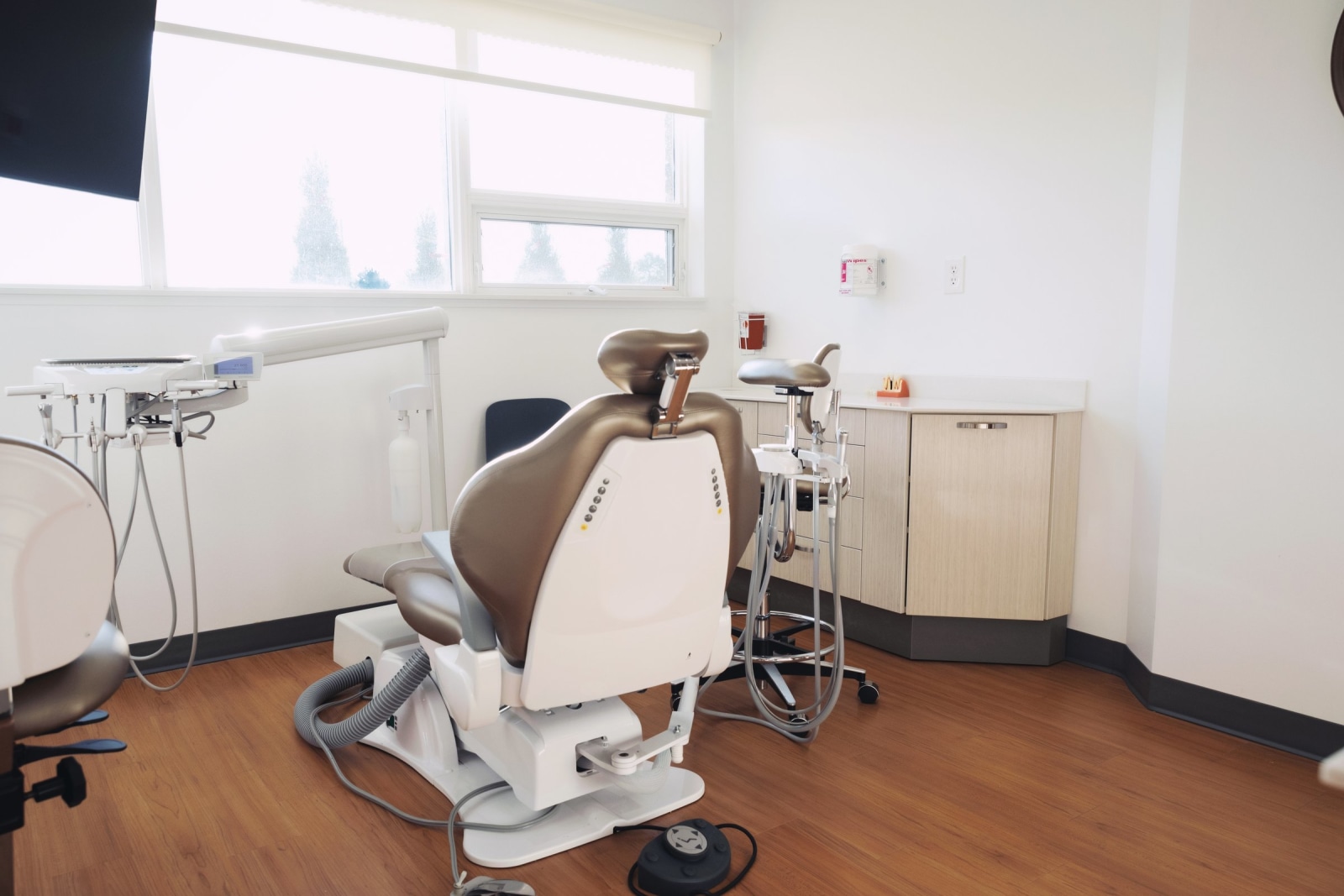
Understanding the general sequence of the appointment can make the experience feel less uncertain. Although details vary depending on the number and position of your wisdom teeth, the process typically includes the following steps.
Arrival and Check-In
You'll complete any remaining paperwork, get settled, and review the treatment plan with the team. If you're receiving oral sedation, your driver should accompany you. We'll make sure you understand what will happen before treatment begins.
Getting Comfortable
The treatment area will be thoroughly numbed before the extraction. If you're receiving sedation, that will be administered according to your treatment plan. Let us know if you experience discomfort or still feel sensation in the area so we can address it before proceeding.
The Extraction
The length of the procedure depends on how many teeth are being removed and how they're positioned. An erupted tooth may be relatively straightforward to remove, while an impacted tooth can require additional steps. In some cases, the tooth is sectioned into smaller pieces to make removal easier and limit the size of the opening.
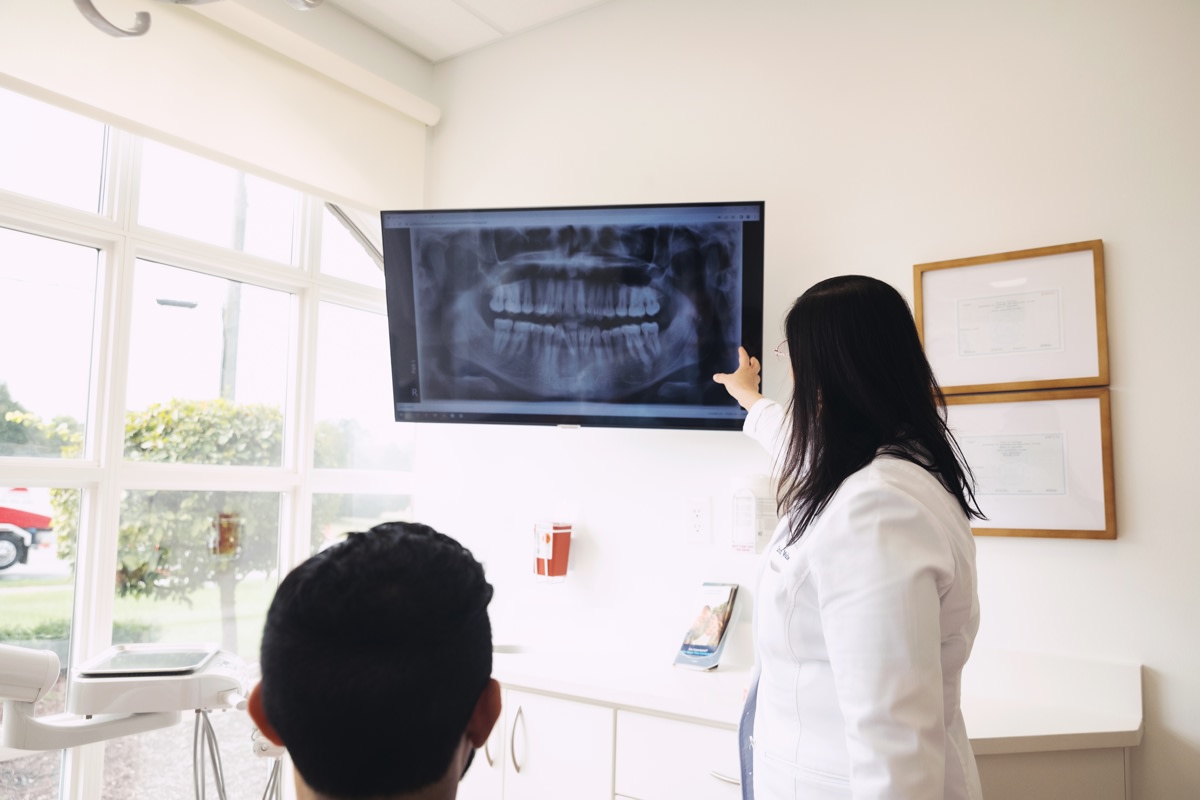
Dr. Umair and Dr. Irum can provide a more realistic time estimate during your consultation after reviewing your X-rays.
Before You Leave
After the procedure, you'll rest in the office while the effects of sedation begin to wear off. Recovery time varies, but many patients are ready to leave within an hour. Before you go home, the team will provide gauze, written aftercare instructions, and any necessary prescriptions.
Recovery, Day by Day

Day 1: Protect the Blood Clot
Some light bleeding or oozing is expected during the first day. Bite gently on gauze and replace it as instructed to help a blood clot form in the extraction site. This clot protects the underlying bone and supports the healing process.
Follow your recommended pain medication schedule, ideally beginning before the local anesthetic wears off. Choose soft, cool foods such as yogurt and applesauce, and avoid using straws. Suction can dislodge the clot and lead to dry socket, a painful condition that occurs when the underlying bone becomes exposed.
Days 2 and 3: Swelling May Peak
Swelling and jaw stiffness commonly reach their highest point around the second or third day before gradually improving. This can make you feel more uncomfortable than you did immediately after surgery, but it is often part of the normal healing process.
Use cold packs on the outside of your jaw in intervals during the first 24 to 48 hours, and sleep with your head elevated. Begin gentle warm salt-water rinses when instructed, usually after the first day. Avoid forceful swishing or spitting.
Suitable foods during this stage include:
- Mashed potatoes, scrambled eggs, and soft pasta
- Yogurt, pudding, and applesauce
- Smoothies and protein shakes consumed without a straw
- Broth and soup served warm rather than hot
Avoid hard, crunchy, chewy, or seedy foods that may irritate the extraction site. Spicy foods can also cause discomfort. Smoking is particularly harmful during early healing because it increases the risk of dry socket. Avoid alcohol as well, especially while taking pain medication.
Days 4 and 5: Gradual Improvement
Most patients begin noticing improvement around this point. Swelling should start to decrease, jaw movement may become easier, and returning to desk work or school is often manageable. Some bruising may also become visible along the cheek or jaw.
Continue following your aftercare instructions and return to regular activities gradually. Avoid strenuous exercise or foods that require significant chewing until you're comfortable and have been cleared to resume them.
Days 7 to 10: Returning to Your Routine
Many patients are close to their usual routines by the end of the first week. Dissolving stitches may begin to break down during this period, or they may be removed during a follow-up appointment.
The extraction site will continue healing beneath the surface for several weeks. Keep the area clean, brush gently around the site, and gradually reintroduce your usual foods as healing allows.
Contact Opal Dental Group at (586) 784-6725 if your recovery isn't progressing as expected.
Normal Healing Versus a Reason to Call
Some discomfort is expected after wisdom teeth removal. Common signs of healing include mild bleeding during the first 24 hours, bruising, swelling that peaks around days two or three, jaw stiffness, and a mildly unpleasant taste as the extraction site heals.
Contact the office if you experience:
- Severe or recurring pain: Sharp or throbbing pain that returns after initially improving, particularly with an unpleasant taste or odor, may indicate dry socket.
- Fever or worsening pain: Pain that continues to increase after the third day or a fever may indicate infection.
- Increasing swelling: Swelling that spreads beyond the extraction area should be evaluated. Seek immediate medical attention for difficulty swallowing or breathing.
- Persistent numbness: Numbness in your lip, chin, or tongue that remains into the following morning should be reported.
- Uncontrolled bleeding: Contact the office if bleeding continues despite applying steady pressure with gauze.
Most patients recover without significant complications. However, if something concerns you, contact Opal Dental Group at (586) 784-6725. The team can help determine whether you need to return for an evaluation.
What It Costs and Paying Without Insurance
Wisdom teeth removal does not have one fixed price because the complexity of treatment varies from patient to patient. Several factors influence the total cost:
- The number of teeth being removed
- Whether the teeth have erupted or remain impacted beneath the gums
- The position of each tooth and its proximity to nearby nerves
- The type of sedation selected
An accurate estimate requires an examination and a review of your X-rays. During your consultation, the team will explain the recommended treatment and associated costs before scheduling the procedure.
Patients without dental insurance can also ask about the Opal Membership Plan and other available payment considerations. For questions about treatment costs, call (586) 784-6725.
Frequently Asked Questions
Do All Four Wisdom Teeth Have to Come Out at Once?
Not necessarily. Some patients have all four wisdom teeth removed during one appointment, while others have one side treated at a time. The recommendation depends on your oral health, the position of the teeth, and your treatment preferences.
Will I Feel Anything During the Procedure?
You may notice pressure and movement, but you should not feel pain. If you experience sharp pain, let your dental team know so additional anesthetic can be provided. With oral conscious sedation, many patients remember very little of the procedure.
How Long Will I Be Swollen?
Swelling typically peaks around the second or third day and gradually improves during the first week. Cold packs during the initial recovery period and sleeping with your head elevated may help manage it.
What If I Haven't Seen a Dentist in Years?
You can still schedule a consultation without worrying about being judged. The team will evaluate your oral health, explain any findings, and discuss appropriate next steps at a pace you're comfortable with. If you're concerned about returning to dental care, share those concerns when scheduling so the team can better prepare for your visit.
When You're Ready
Understanding the procedure, recovery process, and available comfort options can make wisdom teeth removal feel more manageable. A consultation is the first step toward understanding your specific needs and deciding how to proceed.
During your initial visit, the team will discuss your concerns, take any necessary X-rays, and review the findings with you. You'll have an opportunity to ask questions, understand the recommended treatment, and discuss costs before making a decision.
To schedule a consultation or speak with Dr. Umair, Dr. Irum, and the team at Opal Dental Group, call (586) 784-6725.
