

Haven't Been to the Dentist in Years? Here's How to Start Again
If it's been years since your last dental appointment, scheduling a visit can feel more difficult than it should. You might be worried about what the dentist will find, how much treatment could cost, or whether you'll be judged for waiting so long. Perhaps a previous dental experience made you anxious, or other responsibilities gradually pushed your own care aside.
Whatever the reason, you're not alone. Avoiding the dentist can become a cycle: the longer you wait, the more concerned you become about returning, and that anxiety makes it even harder to schedule an appointment.
At Opal Dental Group in Macomb, Dr. Umair Waheed, Dr. Irum Waheed, and the team want patients to feel comfortable taking that first step. Your first visit after a long absence is an opportunity to understand your current oral health, discuss any concerns, and explore your options. You don't need to have everything figured out before you arrive.
Quick Takeaways
- It's not too late to return to dental care. Whether it's been a few years or much longer, your next visit can help you understand where your oral health stands today.
- Your first appointment starts with an assessment. The dentist evaluates your teeth and gums, reviews appropriate X-rays, and discusses any findings with you.
- You can be honest about dental anxiety. Sharing your concerns helps the team understand what support you may need.
- Treatment recommendations should be explained clearly. You'll have an opportunity to ask questions and understand your options before deciding how to proceed.
- Sedation may help if anxiety has kept you away. Options such as nitrous oxide and oral sedation may be appropriate for eligible patients.
- You can plan care around your priorities. Understanding your dental health and potential costs helps you make informed decisions about next steps.
What Happens at Your First Dental Visit After a Long Gap?
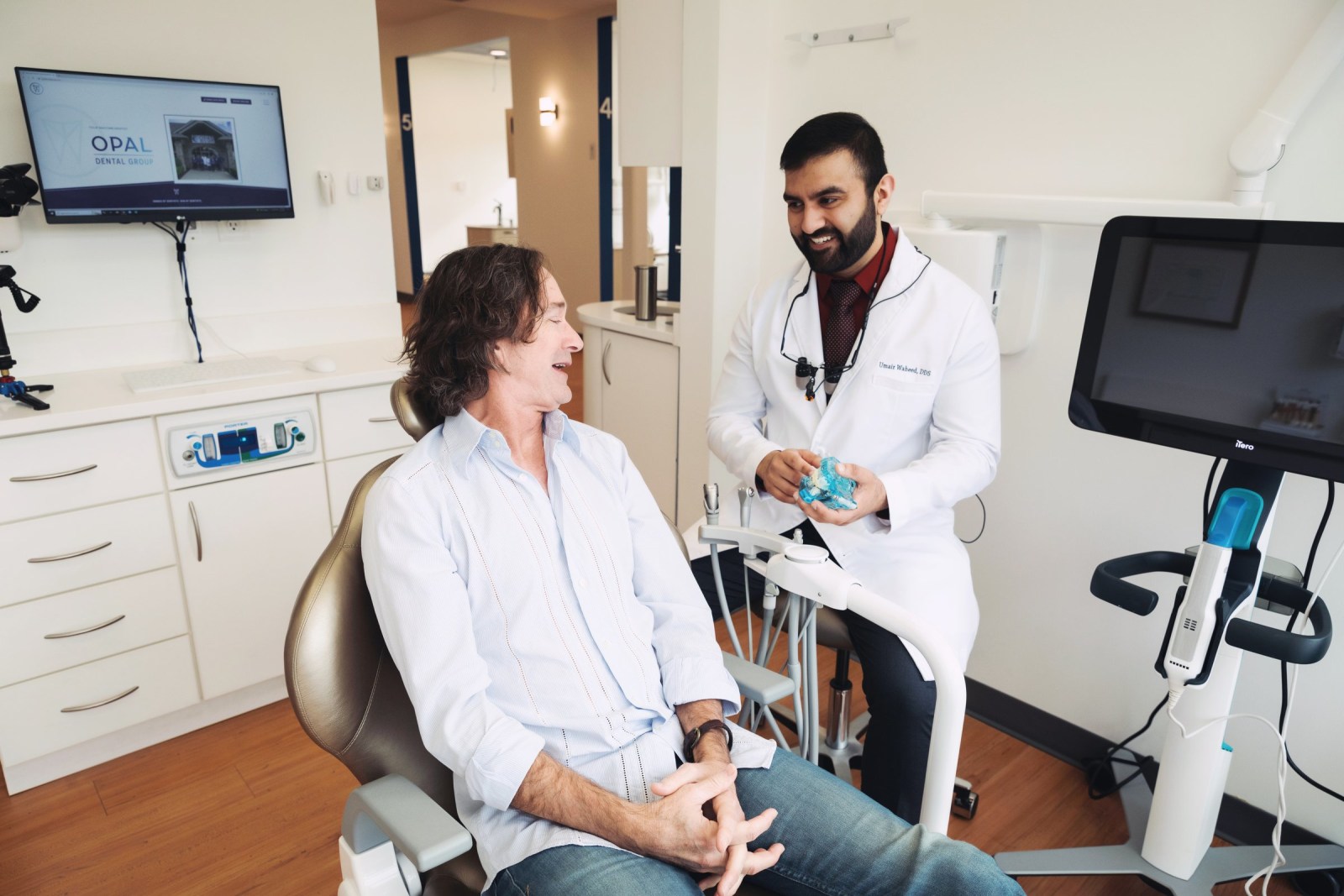
Your first visit back typically focuses on understanding your current oral health. Depending on your needs and the practice's examination process, this may include updated dental X-rays, a clinical examination, and a conversation about any symptoms or concerns you've noticed.
The dentist may evaluate your teeth, gums, bite, and other oral tissues. X-rays can help identify issues that aren't visible during a visual examination, including certain problems between teeth or beneath the gumline.
After the assessment, the team will explain its findings and discuss any recommended treatment. You can ask questions about what needs attention, what can be monitored, and which options may be available.
If additional treatment is recommended, you should have the opportunity to understand the reasons for it and discuss the proposed plan before moving forward. The goal is to help you make informed decisions, not to make you feel guilty about how long you've been away.
Whether you need preventive care or have several concerns to address, the first step is the same: establish a clear picture of your oral health today.
What to Expect at Your First Appointment
Not knowing what will happen can make returning to the dentist feel intimidating. Understanding the usual steps ahead of time can help you arrive feeling more prepared.
1. Check-In and Health History
When you arrive, you'll check in and complete any outstanding paperwork. This may include your contact information, insurance details, and medical history.
Your health history helps the dental team understand factors that could affect your care, including medications, allergies, and certain medical conditions. If you're taking prescription medications or supplements, bring an updated list.
You can also let the front desk know if you're nervous about the appointment. You don't need to provide a lengthy explanation. Simply mentioning that you're anxious or returning after several years away gives the team helpful context.
2. Dental X-Rays
Your dentist may recommend X-rays to assess areas that cannot be fully evaluated during a visual examination. The type and frequency of imaging depend on your dental history, current concerns, and clinical needs.
X-rays can help identify issues such as cavities between teeth, changes in the supporting bone, and other concerns that may not cause noticeable symptoms yet.
If you have questions about why a particular image is needed, ask your dental team to explain what it will help them evaluate.
3. A Comprehensive Examination
The dentist will examine your teeth, gums, bite, and oral tissues, considering both your current concerns and your overall oral health.
If you've been away for a while, the examination may reveal areas that need attention. That doesn't mean you should feel embarrassed about coming in. The purpose is to understand what's happening now and identify appropriate next steps.
Be sure to mention any symptoms you've noticed, such as tooth sensitivity, bleeding gums, discomfort when chewing, or a tooth that feels different from the others. Even if something doesn't hurt, it's worth discussing if you've noticed a change.
4. Discussing Your Findings and Options
After the examination, your dentist will explain what was found and whether treatment is recommended. You'll have a chance to ask questions, discuss priorities, and understand the potential benefits and limitations of different approaches.
If several issues need attention, treatment may be planned in stages according to clinical urgency, your preferences, and your budget.
You don't have to make every decision during your first visit. Understanding your oral health and knowing what comes next are valuable outcomes on their own.
How to Tell Your Dentist You're Nervous

Understanding the appointment process is helpful, but it doesn't always make the anxiety disappear. If you've been avoiding dental care because of fear, telling the team how you feel can help them prepare for your visit.
You don't need to find the perfect words. You might simply say:
- "It's been several years since my last dental appointment."
- "I feel really anxious about dental treatment."
- "I had a difficult experience with another dentist."
- "I'm worried about pain or what you might find."
- "I'd like to understand my options before deciding on treatment."
You can share these concerns when scheduling, during check-in, or directly with your dentist or hygienist.
Depending on your needs, the team may be able to explain each step before proceeding, check in with you more frequently, or agree on a signal you can use if you need a break. Discussing these preferences beforehand can make the appointment feel more predictable.
It's also okay to ask questions as they come up. Understanding what the dentist is doing and why can help you feel more involved in your care.
If anxiety has made it difficult to attend appointments even when you know you need treatment, Opal offers sedation dentistry options that may help eligible patients feel more comfortable.
What If It's Been Many Years Since Your Last Appointment?
Returning after a decade or longer can bring up concerns about the condition of your teeth, the amount of treatment you may need, and the potential cost. Those worries are understandable, but they don't mean you've waited too long to seek care.
A longer gap between appointments can allow dental problems to progress without being noticed. Cavities, gum disease, and other conditions may develop before they cause obvious symptoms. That's one reason an examination is useful even if your teeth don't hurt.
The findings will depend on your individual circumstances. Some patients may primarily need preventive care, while others may benefit from restorative treatment or more comprehensive planning.
If the dentist identifies several concerns, ask which ones need attention first and whether any can be monitored. Understanding the urgency of each recommendation can help you plan treatment in manageable stages.
You can also discuss costs and scheduling so you have a realistic understanding of what moving forward may involve.
Most importantly, the time that's passed doesn't determine whether you're deserving of care. You can begin with one appointment, learn where things stand, and decide on the next steps with your dental team.
Sedation Options for Patients With Dental Anxiety
For some patients, reassurance and a supportive dental team are enough to make an appointment manageable. Others experience anxiety that makes it difficult to receive treatment without additional help.
Sedation dentistry may be an option for eligible patients who need more support. The appropriate method depends on factors such as your medical history, anxiety level, and planned procedure.
Nitrous Oxide
Nitrous oxide, often called laughing gas, is inhaled through a small mask placed over your nose. It can help reduce anxiety and promote relaxation while allowing you to remain awake and responsive during treatment.
Its effects generally wear off quickly after administration stops, making it a useful option for some patients who want help managing dental nervousness without the longer recovery associated with certain medications.
Oral Conscious Sedation
Oral conscious sedation involves taking prescribed medication before your appointment. It can provide a deeper level of relaxation than nitrous oxide, although the effects vary from person to person.
You generally remain responsive to your dental team but may feel drowsy and remember little of the appointment. Because the medication can affect alertness for several hours, you'll need to follow the practice's preparation instructions and arrange for a responsible adult to drive you home.
Choosing an Appropriate Option
Sedation isn't necessary for every anxious patient, and no method guarantees that all fear or discomfort will disappear. Your dentist should review your health history, medications, and treatment needs before recommending an approach.
If you've avoided dental care for years because of anxiety, it's worth discussing sedation before assuming that treatment will be too difficult to manage.
Bringing Your Children Back to the Dentist, Too
When parents have delayed their own dental appointments, children's visits can sometimes fall behind as well. Busy schedules, financial concerns, and a child's fear of dental treatment can make it difficult to keep everyone on track. If this sounds familiar, the next step is to focus on moving forward rather than feeling guilty about the past.
Opal Dental Group provides care for families, which may make coordinating appointments and discussing your household's dental needs more convenient.
Children who feel nervous about dental visits may benefit from age-appropriate explanations, a predictable routine, and time to become comfortable with the dental environment. If your child has sensory sensitivities or a previous difficult experience, share that information with the team before the appointment.
You can help your child prepare by:
- Explaining the visit in simple, reassuring language.
- Giving them an opportunity to ask questions.
- Avoiding frightening descriptions or promises about what they will feel.
- Letting the dental team know about previous experiences or specific concerns.
- Following any preparation instructions provided for the appointment.
Every child responds differently, so the approach should reflect their individual needs. If you're concerned about how your child will manage the visit, call (586) 784-6725 to discuss your questions.
Understanding Your Dental Payment Options
Cost is a common reason people postpone dental care. If you're uncertain about what treatment might cost or how much your insurance will cover, scheduling an appointment can feel like opening the door to an expense you aren't prepared to manage.
Getting an examination and discussing your options can help replace some of that uncertainty with a clearer picture.
If You Have Dental Insurance
Dental insurance benefits vary by plan. Preventive services, such as examinations and cleanings, may be covered differently from restorative procedures, including fillings and crowns. Deductibles, annual maximums, waiting periods, and plan exclusions can also affect your out-of-pocket costs.
Before beginning treatment, ask for an estimate and review your expected insurance benefits. Keep in mind that an estimate of benefits is not a guarantee of payment, and your final responsibility depends on your plan and the services performed.
If You Don't Have Dental Insurance
If you don't have coverage, you can still discuss the cost of recommended care with your dental team. Ask for an itemized estimate and find out which treatments are most urgent.
If multiple procedures are recommended, understanding their priority can help you plan your care over time. The important thing is to have a clear conversation about your options rather than letting financial uncertainty keep you from learning about your oral health.
Opal Dental Group also offers a membership plan makes excellent oral healthcare affordable for patients without dental insurance.
Planning for Treatment Costs
The cost of treatment depends on your individual needs, the procedures recommended, and the complexity of the work involved.
You can ask questions about fees before deciding how to proceed. Understanding the expected costs and discussing priorities can help you make decisions that fit your circumstances.
How to Prepare for Your First Visit Back

A little preparation can make your first appointment feel more manageable. You don't need to complete an extensive checklist, but bringing a few details with you can help the team understand your needs.
Before your visit:
- Make a list of medications. Include prescriptions, over-the-counter medications, and supplements.
- Write down your concerns. Note any pain, sensitivity, bleeding, or changes you've noticed, even if they seem minor.
- Prepare your questions. You might ask which findings need attention first, what treatment involves, or what alternatives may be available.
- Mention your anxiety. Let the team know if you're nervous, have had a difficult dental experience, or need additional time to feel comfortable.
- Review your insurance information. If you have dental coverage, bring the details needed to help the practice review your benefits.
Follow any instructions the practice provides about eating, drinking, medications, or preparation for your specific appointment. If sedation is planned, make sure you understand the requirements beforehand.
Try to think of this appointment as a starting point rather than a judgment on your past dental habits. You'll have a clearer understanding of your oral health and can work with your dentist to determine what makes sense next.
Ready to Return to the Dentist? Start With One Step
If you've been putting off dental care for years, you don't need to resolve every concern before making an appointment. You can start by asking questions, explaining what makes you nervous, and learning what your options may be.
Call Opal Dental Group at (586) 784-6725 or use the practice's online contact options to get in touch. If you're anxious about returning, mention that when you reach out. You don't need to know what treatment you need before scheduling a visit.
The first appointment doesn't have to solve everything. It can simply help you understand where things stand and what you can do next.
